Room Design
A child’s bedroom that can change without starting over
Set up safe furniture, a flexible floor area and reachable storage so a child’s room can adapt to changing routines over several years.
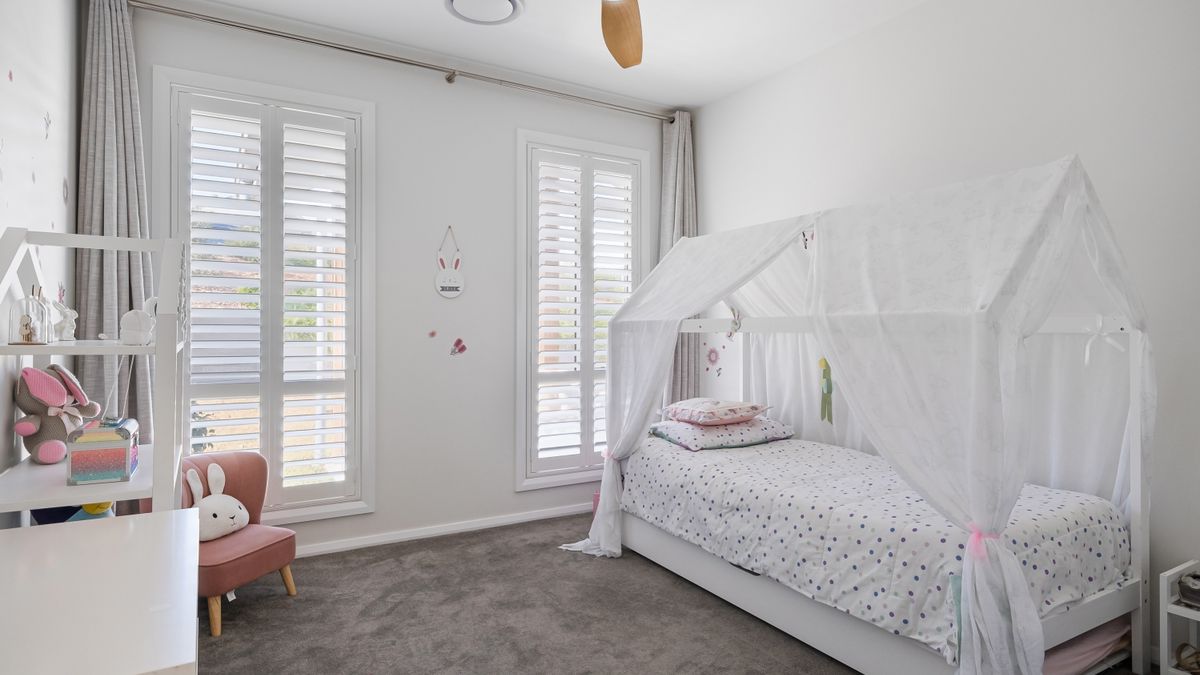
The drawing table graduates from crayons to homework. A line of picture books becomes a stack of paperbacks, and the floor needed for a wooden train becomes the place where friends sit. These changes rarely happen on the same day. A room built around a frozen idea of childhood can make every ordinary change feel like a small renovation.
The durable parts of the plan are straightforward. Keep a safe arrangement for sleeping and circulation, anchor furniture as required, and leave one useful area with enough space to take on a different role. Choose which supplies a child can reach and which an adult should manage. A room can change substantially through a new surface, a different group of books or a shifting afternoon routine. It need not be rebuilt each time.
Begin with the things that have to stay put
Draw the door, the main route, any required exit, the window and any heater. Note the route from the door to the bed when the room is dark and slightly untidy. That route needs to work well before a basket, game table or attractive lamp claims the remaining floor. Leave access to necessary building features. A wall with a fixed radiator or equipment may come with clearances that take priority over a furniture plan. Look at the equipment manual and applicable local requirements.
Choose an age-appropriate bed and compatible mattress, and use them according to their directions and limits. This is a stable part of the room around which other activities can change. Keep furniture and the bed away from window covering cords. The US Consumer Product Safety Commission recommends cordless window coverings where young children are present and advises moving beds, furniture and toys away from windows and window covering cords. Check how a child could reach a window by moving or climbing on nearby objects. Moving a chair to improve the view can change that access.
Provide a route for an adult, too. Someone might need to enter quietly at night, change sheets or reach the window's required controls. Walk into the room carrying a basket before deciding where the door-side furniture belongs. If a closet door runs into the bed, the layout will keep collecting the things that should have gone into the closet. Read the whole room as a place people move through, not as an arrangement seen from one corner.
Treat storage as installed furniture
A dresser, shelf or other furnishings may tip if pulled or climbed on. CPSC's Anchor It guidance advises securing top-heavy furniture and following the manufacturer’s directions. Plan mountings before buying. Wall construction, the exact furniture and the specified fixings matter. If the wall or the installation is unclear, get help from an appropriately qualified installer. In a rental, arrange any needed permission and a suitable installation. Choose a different product or location if the intended unit cannot be safely secured.
Keep attractive objects off places that encourage climbing. Put age-appropriate favourites in a place a child can reach comfortably without stepping on a drawer or a chair. Use closed or adult-controlled storage for items that the child should not handle, including inappropriate small parts, hazardous products or sharp tools. A colourful high shelf can be a good display for a picture out of reach. It is an awkward daily home for a toy the child wants every hour.
Think about what changes when the furniture moves. Disconnect and resecure it according to its instructions as part of a planned move. Check that a different wall remains suitable. Revisit fasteners and fit following the manufacturer’s maintenance guidance. A piece should not stay in temporary use unsecured just because a layout is on trial. Paper plans, tape and lightweight mockups can test the space without moving the installed pieces first.
Reserve a surface and a patch of floor
Look for a rectangle of useful floor near daylight and away from the main walking route. Initially it can be a place for age-appropriate floor play. In a few years it can hold a suitable chair and desk if the measurements work. Keep the area simple. One rug that lies securely and a modest basket can define the activity. Do not rely on furniture, furniture ladders or plant stands doing jobs outside their design. The arrangement should work even when a favourite activity is spread out.
Choose the surface to fit today's child and today's task. A low table may be a good place for drawing where its design and age guidance fit. A taller desk and properly sized chair can later support reading or schoolwork. You still need room to get into the chair and use the desk. Mark the area occupied with the chair pulled out. Put paper, a book and a light on the mock surface. Check whether the remaining route still works when someone is sitting.
Leave space to support a future adjustment without deciding what it will be. For a sports-loving child it might become an open area for equipment that can be packed away. For another it might hold a place to assemble models with an adult. An adaptable room keeps excess furniture loose in the plan until a repeated activity calls for it. A spare corner is useful in itself if it gives a child room to move without reorganising the whole room.
Put the default routine where a child can do it
Watch a few days of the current routine. Which books are read most often? Where does a child leave yesterday's clothes? Where do drawing supplies land at the end of the afternoon? Put the accessible storage where the activity ends. A basket beside the reading seat can beat a more elegant library on the other side of the room. A laundry spot near the actual change of clothes is more likely to work than one installed because a furniture set has space for it.
Use headings a child can act on. A label for “paper and drawing” is helpful if that is how the child decides what to reach for. Pictures on labels can work for a younger reader, with different labels when the categories change. Put the names or images where they remain visible when everything is put away. Too many subcategories require an adult to finish every reset. Choose a few broad groups, then separate something because the child regularly needs it by itself.
Plan a place for unfinished work. A tray fitted to the activity can hold a drawing that needs another day. A folder can store worksheets that have to return to school. Put these in a place where the child can see what is pending without scattering it across the bed. If two children share the room, give each a defined spot and agree which containers the other may open. A clear boundary can solve daily disagreements without adding a bulky second set of furniture.
Let colour and light handle the easy changes
Choose lasting large surfaces you can live with through several interests. A wall colour or carpet can be rich and distinctive while still working with different art and textiles. Look at a large paint sample in the room at the time it will be seen. Near bedtime a small room may be lit quite differently from the shop. Add a confident colour in one fabric or print when it suits the child rather than asking it to be a permanent theme.
Give separate activities appropriate light. A ceiling fixture can help with dressing and finding objects. A correctly installed task light can support drawing or reading. Keep fixtures stable, install them to the instructions and keep cords safely out of reach where required. Avoid a loose lead that crosses the walking path or hangs near the bed. Ask the person who uses the room where a shadow falls when they lean over a page. Changing the direction of a lamp may improve the whole task.
Display work in a way it can be refreshed. A safe, appropriately installed frame or fixed display area gives new drawings a place without covering every surface. Check the suitability of hardware and loose accessories for the child’s age, and avoid placing heavy objects where they may fall onto a bed or seat. Let the child choose a few things to show. The room will feel different when those choices change, while the practical arrangement stays easy to use.
Review the room in seasons
Before changing furniture, replace one shelf's worth of things. Give away or store items that no longer suit the child, and include the child in choices appropriate to their age. Take a week to see whether the new category works. It may become obvious that an old bookcase has plenty of space after the oversized books move elsewhere. An apparent shortage of storage can come from objects that no longer have a daily role.
Repeat the route check before the room takes on a new activity. A desk brings a chair, papers and often a cable. A newly confident climber may reach things that were previously inaccessible. An older child may need a quieter spot to work or a shelf controlled by the child alone. The useful adjustments depend on the child’s behaviour and development, not a birthday number on a furniture catalogue. Recheck age, height and weight guidance for pieces whose intended use changes.
On a weekend when the room is functioning, photograph the layout for your own reference and make a small list of the changes that helped. Perhaps a broad basket made tidy-up independent, while adding a slim desk still left the long route clear. That record helps you preserve the good parts when a new bed or new school routine arrives. It also makes it easier to explain an important safety feature to another caregiver.
The adaptable room grows from these ordinary decisions. The bed can keep a clear route. A securely installed dresser can keep doing the job it was chosen for. A patch of floor can become a paper-covered workshop in the afternoon and clear again by evening. The next change then asks what the child needs to do, and where that can happen safely with the pieces already in the room.