Room Design
Give Guests a Bedroom Without Losing the Rest of the Year
Design the overnight conversion first, then choose a bed and work surface around the room you use most often.
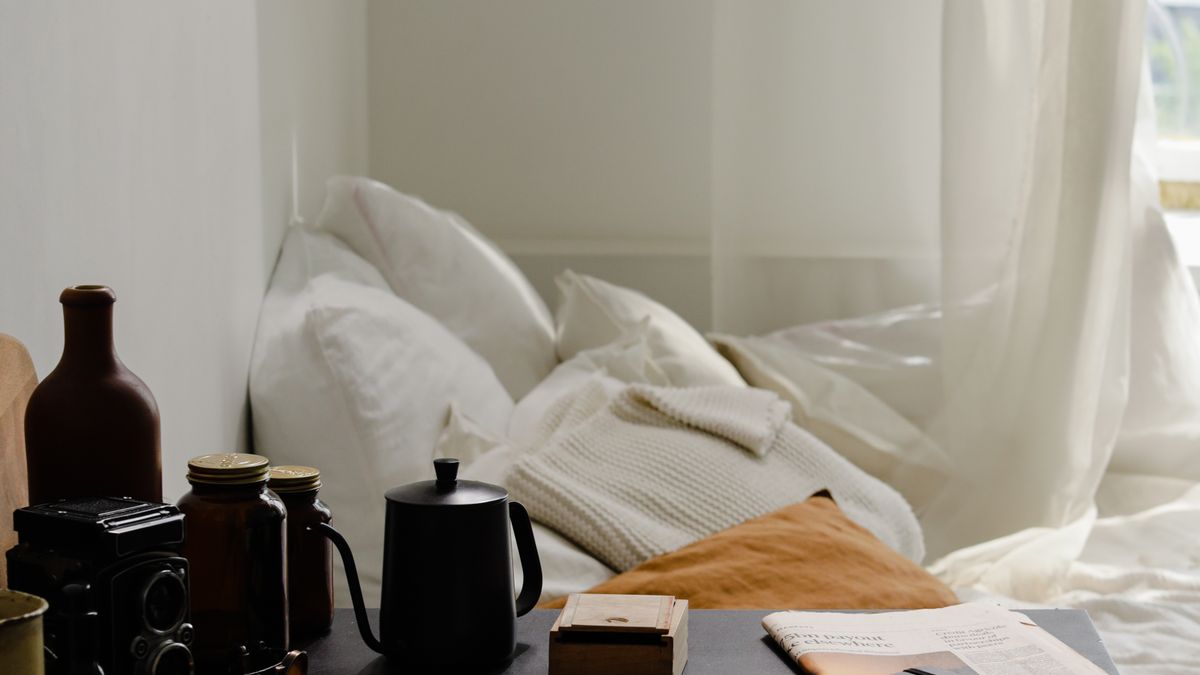
When a guest shuts the door, they should be able to find a lamp and decide where to put an open suitcase. Those are small requests. They become surprisingly difficult when the spare room houses a desk with a wide chair, a bed stacked with boxes and a printer on the only accessible socket. A guest room that is also a home office can accommodate both roles, with a stronger result if the overnight setup is designed before the furniture is fixed.
Give the guest a stable sleep surface, a clear route from the door, reachable light and a place to leave belongings that is separate from work equipment. Then choose what changes when the room switches roles. If guests come often or stay for several nights, allocate more permanent space to the bed. If overnight visits are rare, a purpose-made convertible design can free useful floor during the week. Compare how each layout works while the bed is open and someone is living in the room.
Make a guest arrive in the drawing
Set an empty bag on the floor and put the chair in its daytime position. Walk from the door to the bed with the bag and a second loose item. Stop where you would set each one down. Try turning the lamp on while keeping the way clear. If reaching the bed means squeezing between a desk and a projecting chair base, include a different chair location in the overnight arrangement. A guest will probably leave the chair where you placed it.
At the bed, check where the guest sets a phone, glasses or a glass of water. A secure shelf or a small movable table can be enough. The light should be simple to find and use from the bed. Confirm there is a convenient safe way to charge devices if you plan to offer one. Avoid making the guest follow equipment cables or disconnect your work setup. Test the same trip after dark with other room lights off.
Put a suitcase on a suitable luggage rack or shelf and open it to the full depth. Find a place for its lid, a small bag and an occasional coat. Two hooks and one shelf reserved for guests can offer more than a whole closet already filled with household things. Leave enough usable dressing space for the likely occupant. See whether the door closes with the bag and any fold-out furniture in position. The ability to shut a door and use the room independently is part of the arrangement.
Pick the sleep surface by actual use and handling
A fixed bed makes it easy to prepare for an occasional arrival at short notice. It can stay made if the room supports it and the route around it stays open. A single or small double can offer a better balance for the household than a larger model that limits how the guest dresses. Confirm the bed and mattress dimensions together. Upholstered rails, headboards and footboards can substantially extend the furniture past the mattress line.
A sofa bed offers daily seating through the year, but it can need a large opening radius and a place for cushions. Open one in a shop, try the real mattress and study where you stand to operate it. If the floor in front holds a desk chair, note where the chair needs to go for the night and how much space remains. A sofa that is uncomfortable in either role might be less useful than a good chair and a smaller dedicated guest bed. Select based on the household's actual use, including the kinds of guests likely to visit.
A purpose-made wall bed can free a continuous rectangle of floor when closed. It is a moving, load-bearing piece of furniture with critical installation requirements. Discuss wall construction, clearances, operation, fixings and safe use with the manufacturer and qualified installer. Arrange permission for any necessary fixed work. The room needs the floor space for the bed even on a day when an extra chair and work files have accumulated there. A folding or wheeled guest bed belongs in a similarly specific parking spot and should be operated in line with its instructions.
Protect the desk without making guests work around it
A shared room can have a desk out in the open without looking like a worksite. Clear one area that the guest can actually use and keep work files in a drawer or another room. Unused equipment looking over a bed is less intrusive if cords are out of the way and bright indicators or screens can be switched off as intended. Think about confidential material and any devices with a camera or microphone. Remove or properly manage them during the visit so the guest can understand the space and feel comfortable.
If you must keep working while a guest stays, address that arrangement explicitly before they arrive. A busy desk in the visitor's temporary bedroom can prevent both people from using the room naturally. You might move a smaller part of the workflow to another table for a few days, or have an agreed work period while the guest is elsewhere. Build a way to move only what is needed. The arrangement succeeds when neither person has to improvise several times a day.
Set a trial with the work chair and bed in their furthest positions, then clean the room. If cleaning requires several moves, you will probably leave more things in place between visits than you intend. Choose a desk position where general light and window access remain available in both modes. A desk below a window can work during the day and block access to the blind at night. Put the mechanism within convenient reach and review cord safety, especially if children may stay in the room.
Make a small overnight kit
Keep bedding sized to the particular mattress together in one place. Store it in a way that fits the material and allows you to retrieve it from the room while the bed is closed. Include any accessories that make the furniture usable, such as items needed for conversion which the manufacturer tells you to retain. A suitable container may fit under a fixed bed or on a nearby shelf. Try it with the bed in both positions. Opening a mattress to fetch the bedding underneath it can create an unnecessary repeated sequence.
Put an extra blanket somewhere a guest can see without opening the whole closet. Choose a simple light with a recognizable switch. Give the guest a clear route to the bathroom, and consider light along that route as well as the one near the bed. If the guest needs a particular seat height, bed access or room for mobility equipment, plan with them before assigning furniture. A well-intentioned compact arrangement can ask a guest to crouch or climb in ways they cannot comfortably manage.
Window treatment deserves a separate check. A gap at the side of a shade can be noticeable if an outside street light faces the bed. Sheer material may look private by day and become nearly transparent in the reverse circumstances. Look at the room from relevant outside viewpoints where practical and appropriate. Close the curtain and find the window or control from the guest's likely position. Keep any needed ventilation and access available according to the conditions of the room and building.
Three versions of the same small room
With a fixed single bed, a desk could sit opposite its foot and leave a path along its long side. The desk stays set up and a narrow stool or folding rack becomes the luggage place. If a second regular sleeping position is necessary, compare the real open area of a suitable sofa bed with access to the wardrobe and door. Place the desk on the side least affected by deployment, and give the work chair a parking mark under it if the base fits.
In a room where the clear center gets heavy daytime use, the overnight position may work best with furniture that changes the room more completely. A wall bed or separately stored portable solution can be considered after checking suitability, safety and dimensions. The table should be far enough away that opening the bed is possible with no heavy daily lifting. Where every guest arrangement leaves a poor route, choose a smaller bed or keep work elsewhere for that visit. Measure the movement required, not just the closed pieces.
If the room regularly hosts a guest who prefers to sit while packing, leave one reliably stable chair available after conversion. A low office seat on casters may move when someone needs it to stay put. Try a spare regular chair against the free wall and see if it clears the same route before buying anything new.
Rehearse the best two versions. List everything you need to move, where it ends up and who could do it alone. Take a nighttime photograph from the bed so you can see the reachable light and the route to the door. Select the version that delivers a welcoming overnight room and acceptable working conditions for the rest of the year. You will likely end up with less dedicated guest furniture than expected and a clearer place for every item a visitor actually needs.