Small Spaces
A Small Balcony You Can Step Onto With a Cup
Arrange compact outdoor seats around the door, wind exposure and the one thing you want to do outside.
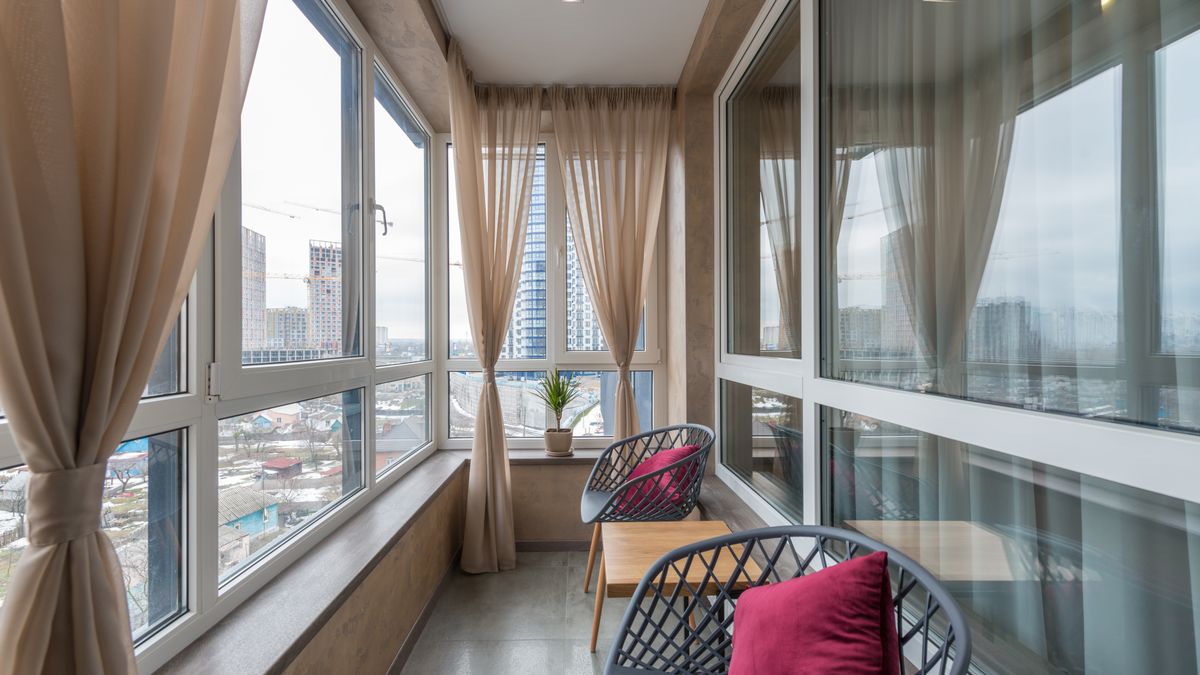
A small balcony is easy to furnish and surprisingly easy to make unusable. One pair of chairs and a plant can fill the place where someone ought to stand while holding the door. Outside furniture can be damp early in the day, awkward in the wind and hard to move through a narrow apartment. Decide what you want to do on the balcony in the best ten minutes of a normal day. Plan that visit before you choose the set.
Set aside a clear approach from the door and keep building drainage, railings and any required access usable. Choose light, stable furniture suitable for the conditions and a layout that allows someone to sit and stand comfortably. Find a practical place for things that require storage during bad weather. A workable small balcony might need only one chair and a stable surface for a cup. Fit a second chair when you can show how two people will get to both positions.
Find out what the balcony is allowed to carry and hold
Start with the building's rules. Ask about restrictions on fixtures, outdoor furniture, planters, rail-mounted items and any other planned addition. A balcony has structural and safety requirements. If you are considering heavy planters, large containers, surfacing or a substantial installation, get appropriate advice on loads and permissions. Wet soil, stored water and several containers can weigh quite differently from what the display in a shop suggests. Find information about the particular balcony before buying heavy or permanent pieces.
Identify railings and things that must remain accessible. Keep furniture away from arrangements that could create a climbing hazard, especially where children may use or visit the space. Avoid freestanding items that could move or fall under expected wind conditions. Follow equipment instructions and building requirements. Avoid hanging anything over the rail unless an appropriate approved arrangement expressly allows it. A view beyond the balcony is a public or shared space in many buildings, and the position of an object has consequences beyond the room itself.
Find the drainage outlets. They may sit at a low point or at the ends of channels. A rug, deck tile, tray or pot can interfere with draining water and make cleaning harder. Discuss surfacing and accessories with the building manager or an appropriate professional first. Temporary accessories can still hide a blocked channel. Pick a layout that makes leaves and debris easy to clear and lets you inspect the surface after a bad storm.
Measure the door twice, once open
Record the width and depth available inside the railing along several places. Measure the clear opening and where a hinged door comes to rest. For a slider, account for the opening you actually walk through and any screen. Include the parts that project from furniture at the height of knees and arms. A chair that fits at its feet can still poke into the path from the door at hip level.
Use exterior-safe marks or a paper sketch and bring one real chair out for a trial if you have a suitable one. Sit, stand and return inside. Repeat with a drink or book, and with a second person if you expect company. Try the slightly awkward move in which someone needs to go in while somebody remains seated. If the small table only fits where that person stands up, measure for a side table or revise the plan. Operating space is more important than a long furniture list.
Check the delivery route before selecting any piece. An exterior chair can be deeper through the arms than through the seat, and it might be assembled before it arrives. A foldable design can enter more easily and also need somewhere safe to be stored. Measure corners inside the apartment. Take into account the amount of space you'll need to carry pieces in when the forecast changes. An excellent outdoor chair can be the wrong choice if it takes two people to manage it at short notice.
Protect the activity that matters most
For coffee outdoors, put a stable chair where you can sit comfortably and see something you enjoy. Set the small side table close enough for a relaxed reach without crowding your legs. A modest table beside the arm can leave more floor than a café table between two full-sized chairs. Give the chair enough distance from the doorway that its normal position does not need repeated correction.
If meals for two are the main use, plan the full distance to pull one chair back and get to the other. A table narrow enough for plates and glasses can limit the room required. A corner might hold a continuous bench where its placement and design are permitted and safe. Check whether you can leave it without crossing the other person's legs. A single table can also sit close to the wall during less frequent meals and move when you have made space. Choose an appropriate piece that remains stable and clear of edges.
If growing plants is the main activity, reserve a small comfortable place to work, with room to water and clean without dripping or dropping material beyond allowed areas. Choose containers and locations within the building's requirements and account for wet weight. Think about how gray days, wind and strong sunlight affect the species you want. A few accessible containers can stay healthier and be more enjoyable than a long wall packed with pots that are difficult to inspect.
Visit at the hour you expect to be there
A balcony can get very different light than the adjacent room. A low winter sun may shine directly at the sitter where a summer sun remains above the overhang. A neighboring building can create shade at dinner but leave fierce light at lunch. Track the location where you actually prefer to sit and the time of day. Move the seat to follow that evidence before planning shade equipment. Many buildings have restrictions on external fittings. Use only appropriate and approved shade where it is needed.
Wind can have a local pattern as well. A table can sit in still air near one side while an open end channels a breeze around it. Observe from safe positions across ordinary conditions and factor in how the balcony is managed in strong weather. If loose cushions and light objects need to come inside under the instructions or building rules, make an accessible place for them. A tall screen can create wind and structural issues of its own. Consult the building and appropriate professionals before choosing external screens or attachments.
For placement of outdoor lights, check eligibility for the location and the building's approval requirements. A light that shines directly out can be intrusive to neighbors and compromise the view at night. A small suitable source that illuminates the threshold or useful surface may do enough. Manage cords and connections in line with instructions and local requirements. Avoid extending ordinary indoor equipment into a location with rain or condensation.
Let cleaning and storage determine the final edges
Plan how to reach the underside and the wall behind the furniture. A deep armchair can conceal dirt at an inside corner and require lifting before you can reach it. A stable piece you can reposition appropriately may allow a regular sweep. Protect surfaces in keeping with the manufacturer's instructions. Airtight containers and damp cushions are a poor combination, so choose a cleaning and storage routine that accounts for drying. The easiest routine is the one that can happen during an ordinary evening rather than one that needs moving half the room.
For a rental with a covered balcony, interview the space before interviewing the furniture shop. Leave a sheet of paper on an existing safe work surface for a few minutes on two ordinary days and watch which way the breeze moves it. Take note if the rain reaches the interior wall or stops near the opening. A stackable chair that can live under cover and be brought indoors easily has a different value in each case. Let the exposure determine how little has to stay outside.
Look at the balcony from inside. A low seat can preserve an open view through the door while creating a distinct place to sit once you are outside. A busy wall of objects can take over that view even in winter when it is little used. If you already have several objects, remove all but the one supporting the main activity and add others one at a time. Give the best corner to a person instead of using it to hide the surplus.
Think about the pause at the transition back indoors. People usually carry something in and may need to use their other hand for a sliding door. A side surface by the seat is helpful for the drink, and a separate indoor landing point may handle a wet tray or cushion. Look at the cost of each step before planning storage inside a distant closet. If the floor around the threshold is slick after rain, discuss appropriate maintenance and materials with the building manager and keep the approach clear.
For a narrow balcony, try the following setup for a week: one suitable chair oriented at a modest angle, a compact side surface, and the walkway absolutely clear. If you enjoy sitting there but never invite a second person, the layout might already suit its purpose. If a second seat beckons, measure its actual use against the position of the first. An evening test will answer a small but decisive question: can you walk out with two cups, sit with someone and return inside without shifting the whole place around?