Lighting
How to Soften Daylight Without Losing the Window
Choose treatments by the glare, privacy and temperature changes you notice at different times of day.
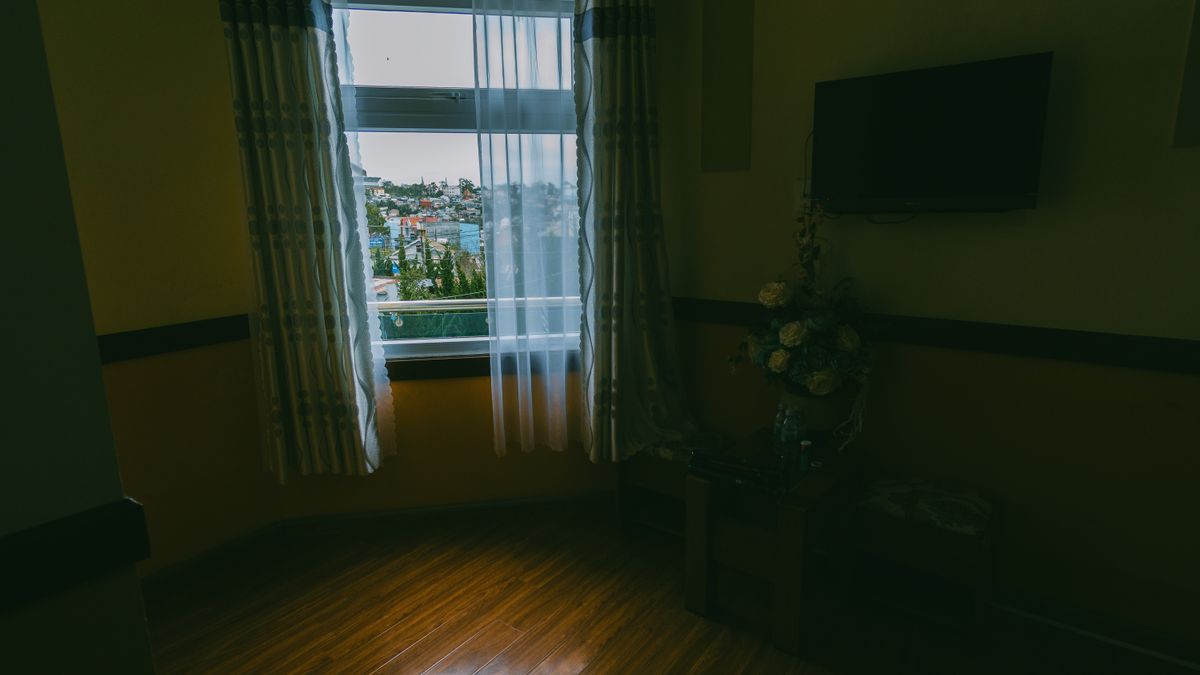
A room with its blinds permanently down probably has too much of the wrong light at one particular time. The morning sun hits the television, a neighbor can see in from a landing, or the chair by the window is uncomfortable for part of the afternoon. The covering has been selected for that hard hour and is still doing its work after the problem has passed. Start by finding out when you need to use the window differently.
A useful window treatment can filter light, block a direct view or help control unwanted solar gain, depending on the design and installation. One layer can do the necessary job in a room with modest demands. Two separately controlled layers may work better when you want diffuse daylight at breakfast and much stronger privacy at dinner. The arrangement should keep important access to the window and should be easy to change from a natural position.
Keep a one-day light diary
Begin with all the coverings open. Look once from the sofa, desk, dining table and other area near the window. Identify what you want to keep as well as what you want to change. A broad view can be one of the best features of the room. Direct sunlight on a printed page can be pleasant until it reflects in a screen. A bright window and a dark adjoining wall can cause discomfort even when the sun is elsewhere. What appears helpful or intrusive depends on the task and the position of the occupant.
At a few useful hours write down where the bounce of direct sun and glare fall. A strong beam can come directly through the glass or reflect off a neighboring building, car or hard internal surface. Record how long the effect lasts and whether you normally use the room then. A covering selected to admit daylight while intercepting a short low sun can be selected differently from a treatment meant to reduce a broader temperature or privacy problem.
Try the same view after dark. A fabric that appears private in sunlight can reveal silhouettes when interior lights are on and the outside is dark. Inspect from the relevant vantage point outside if possible and appropriate. If the window faces a shared path, consider a layer you can close each night while retaining useful operation and access. A screen's open weave, free space at the sides and direction of view all influence privacy. Look at a full sample against a light source rather than judging it folded.
Decide which direction the useful light should travel
Where a window faces a desk, first try changing the screen angle. Positioning the monitor away from the strongest reflection can leave the window more open. A small wider task light elsewhere can reduce the apparent contrast over the room, though it can introduce a new reflection if badly placed. Test the actual screen with content on it. If your main problem occurs during video calls, check how light reaches your face as well as the desk.
A translucent roller or an appropriately chosen sheer can diffuse direct sun and keep a room bright, with reduced view and privacy that depends on material and conditions. An adjustable slatted blind gives more control over direction by rotating the slats. Its stripes of light can remain visible on a polished floor. A treatment that can open or close from different directions might preserve sky view while screening the lower portion near a sidewalk. Choose from real operating samples.
An opaque treatment changes the room more completely. A blackout fabric can have substantial light blocking through the fabric and allow some light around the finished edges. Check the available gaps and whether the installation system controls them appropriately. Compare using it partly closed with an additional layer if you frequently want a middle step. Some homes solve a single problem with an existing curtain and a shallower filtering layer behind it, each selected according to the space and hardware available.
Read the energy claim beside the installation drawing
The U.S. Department of Energy discusses cellular shades as one category of window attachment that can help control daylight and unwanted heat gain while reducing heat loss under some conditions. The insulation effect comes in part from pockets in the structure. Actual results depend on the window, climate, product, fit and when the shade is used. A summer cooling problem at a particular window needs individual analysis. Begin with the unwanted condition and evaluate appropriate options rather than assuming a certain product pays for itself everywhere.
Shade can be useful where sunshine strikes a room heavily. Exterior treatment can intercept sun before it reaches the glazing in some arrangements, but it may have building, planning, wind and installation considerations. Check what is possible in the local building. An interior shade is often easier to operate and manage where outside changes are limited. Ask a professional about appropriate products for the glazing and location. Keep ventilation and any required clearances and access available.
Ask what an installed energy or performance figure represents. A tested product may have a classification based on a particular specimen or configuration. It can be useful for comparison if the same designation and use are being compared. The household still needs a treatment it will adjust at the right time. If the controls are hard to reach behind furniture or a row of plants, a household may use a shade permanently open or closed and miss the behavior it was selected for.
Inspect the depth of the opening
An inside-mounted covering can preserve the visual width of a trim profile while allowing small light gaps. An outside mount can reach past the opening but occupies more of the wall. Window handles, locks and projecting screens may take some of the available space, especially with a recess only a few inches deep. Check the detailed fitting dimensions against your actual opening, hardware and wall conditions. A very small tolerance should be confirmed by the installer before ordering a custom item.
A curtain needs room for its gathered stack when open. Heavy fabrics tend to consume more of the window width or wall space than a simple diagram suggests. If you want glass fully visible when open, show where the fabric sits and where it falls in relation to radiators and other equipment. Discuss suitable mounting and materials. A shallow sill can catch a floor-length curtain or a handle can push into the fabric. Draw a section through each potentially conflicting detail.
Safety also affects product and location. Choose cordless options or other compliant designs suitable for the users and setting, and follow relevant guidance and instructions. If children may visit or live in the home, take accessible cords and climbable furniture near windows seriously. Keep any window needed for emergency access usable in line with local requirements. For difficult locations or changes to the wall, ask a qualified installer to assess conditions rather than assuming a fixing will be safe because a picture looks similar.
Borrow the room's better light after testing
Imagine a west-facing living room with a broad low window, a desk near one end and a particularly uncomfortable hour just before dinner. First move the screen on its stand until the light coming into it is manageable. Try placing a controlled filtering layer over the part of the glass sending the strongest reflection. At night, close a separate suitable layer to test privacy. If the second layer is rarely necessary, a single adjustable treatment may be able to accomplish both jobs. Where substantial darkness is genuinely needed, inspect the edges and the backing under a bright test.
In a bedroom with a useful morning view and street lights opposite, you might make the final choice from the pillow. Test day and night privacy and any patch of light visible at the edge. Keep the opening convenient for ventilation or other use, as appropriate. Determine where each part will sit when the room opens to daylight. The primary challenge may be excluding a few small bright lines rather than choosing among several similar pale fabrics.
Test some finishes in front of the real glass. A cream material can appear much cooler against a blue outdoor sky than it did against a store wall. A dark fabric can preserve aspects of the outside view with certain open designs while absorbing different amounts of light. Lighting, weave and coating all matter. Position swatches so light passes through them as well as across them. See what they do to the wall's color and the sleeper's or reader's view.
An east-facing kitchen can have the opposite problem across the worktop at breakfast. If the glass throws a spot onto a white counter, try lowering the treatment only until the bright patch is gone. Watch which part of the view is lost, then try a movable shade or slatted sample with a different angle. A mechanism that can control a short band of light is easier to use than one that requires blacking out the whole kitchen every morning.
Finish by writing down the situation that each treatment needs to handle, the times you expect to adjust it and the position you will use to do so. If a clear single layer solves the problem and leaves the view and controls open, use that. If two layers are better, give each one a recognizable job. A well-chosen covering lets you keep the good window for the hours when you want it.