Lighting
Living Room Lighting for Everything After Sunset
Build a practical evening room from table lamps, shaded fixtures and light reflected from the walls.
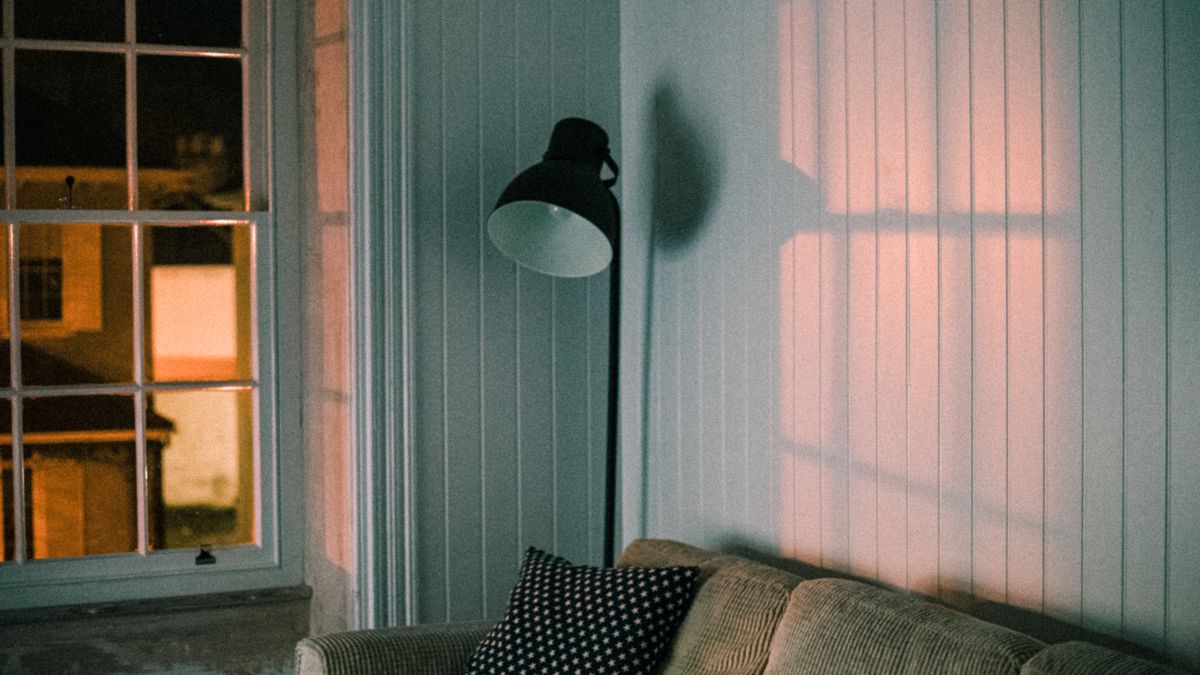
On a dark evening, a living room reveals the half of its design that the daytime photograph missed. The television is a luminous rectangle. Someone reading at the end of the sofa hunches forward to find the pool from a ceiling fixture. A lamp in the corner has a visible bulb, which makes it the brightest object in the room. Moving just two of the sources can sometimes do more than buying a coordinated set.
Start with three needs: light to move safely through the room, light on the work you do there, and enough brightness on surrounding surfaces for faces and objects to be visible comfortably. Those needs can be filled by two fixtures in a tiny room or require several in a deep one. Turn on one light at a time as you work through the problem. The lamp that seems most useful in isolation may become the least pleasant once the television is on.
Walk in from a brighter room
Begin the experiment before you sit down. Come in from the kitchen or hallway and notice what you can read first. A bounded circle on the floor may reveal the coffee table and throw the surrounding corners into apparent darkness. A source aimed through a shade at the wall can make the room's extent understandable. Give the walking route visible edges near changes in level, rug borders and table corners. A corner can be quiet and still be easy to recognize.
Spend five minutes with the ceiling lights off and a borrowed lamp on. Turn the light toward or away from the wall if the fitting is designed to be aimed. An off-white wall becomes larger and softer as light spreads across it. Dark wood and deep paint reflect less of the incident light, so compare a darker room with a lamp close to the seat and an additional broad source. The distribution is unlikely to duplicate a showroom with white walls. Choose the output you require in your room.
Switch on the overhead light and walk the same route. Where does someone look for the switch when entering? Is there an accessible control from the sofa or the door? One easily reached source should identify the walking route before anyone moves across it. Portable lights are particularly good at trying out a position, but their cords must follow a secure edge. A well-located floor lamp with a cable cutting across the path solves one problem and adds another.
Place reading light against the actual page
Sit as you normally do with a book or detailed handwork. Hold it at your normal height. Check shadow and glare by moving the lamp to one side, then the other. A light behind a shoulder can put a patch of illumination where your eyes need it without shining forward into the room. If your head gets between the source and page, a small sideways shift may find a sweet spot. For work done with your hands, test whether your own arm covers the area you need to see.
Consider the way seats change. A floor lamp next to the right arm of a chair can be ideal for one reader and too far from another person's side of the couch. A relatively compact adjustable head concentrates light, and a large diffused shade can contribute light to two seats. Adjustable parts belong where hands can reach them safely and the fixture cannot be tipped by a casual tug. Take the lamp's full movement into account before putting it under a low shelf or beside a curtain.
Read under it for a while. Initial brightness is an unreliable test of comfort. A smooth page, an illustrated book and a tablet all reflect differently. Tilt a shiny cover toward and away from the lamp. Notice whether you can keep the expected body posture for ten minutes. Locate the controls or switch where it can be used without reaching behind furniture. If the lamp's light leaks into the normal sight line of another person, try changing the shade position or using a source with a more contained distribution.
Set the television problem apart
A screen reflects what it faces. When the screen is off, sit in each seat and look for the lights and windows you can recognize in its surface. Then watch a dark scene with the same fixtures on. A bright reflection near the center of the screen often responds better to moving the lamp across the side than to lowering its brightness. If the same light is needed elsewhere, experiment with its direction and shielding.
A soft wall light near the television can reduce the visual gap between screen and interior for some viewers. It should have a comfortable intensity and should not appear as a bright point reflected in the screen. A light that works behind one set may create a hot rectangle around another because the mounting angle or wall finish differs. Trial a plug-in source in a manufacturer-approved position and check that nothing blocks ventilation or hangs near hot or moving equipment.
On another evening, use the room without turning on the screen. Can you talk across it without the light being too dim to read faces? A room built solely around reducing reflections can become unpleasant for visitors. A pair of broad sources near different seats creates better faces and several options for mixing light. A low-output accent behind a shelf can stay if it's useful, but it need not carry the whole social room.
See how shades and vertical surfaces shape the space
Two lamps with identical bulb specifications can look dissimilar because of their shade material and aperture. An opaque drum can send a substantial portion upward and downward. A translucent shade may glow across the room and appear much brighter from the side. Shade height and bulb placement determine whether someone seated can look directly into it. Check representative sight lines, including a low seat or a view across the room from a hallway.
A pale wall can carry light efficiently. A textured wall shows small shadows when a beam arrives at a shallow angle. The effect can be pleasant on intentionally irregular plaster or unexpectedly conspicuous on a patched surface. Move the source away from the wall to reduce that emphasis and broaden the pattern if practical. A small accent over a picture needs to be aimed at the work without creating a circular spot more noticeable than the image. Glass and glossy surfaces are worth looking at from several angles.
Use matching bulb appearance where fixtures play the same role together. Temperature numbers can help as a starting point. A slight difference can be visible across two white surfaces if sources are close together. Prioritize good color appearance where you want to see textiles, artwork or people. Straight measurements of brightness and color temperature will not tell you everything about the beam or the shade. Bring a small swatch of the sofa material or wall color to compare if the shop offers a true sample of the lamp.
Plan controls around the way the room ends a day
If occupants turn the room off in a particular order, put the most useful source last. Many homes keep one room light available until everyone is near a doorway. A lamp with a low-level setting can stay on while you collect cups or find a book. If the useful light has to be switched off at its cord behind a chair, the setup will start to feel busy no matter how good it looks.
A wall dimmer, compatible plug-in control or lamp switch can all give useful flexibility. Check that the fixture and source permit the control you plan and look for stable behavior at low output in a real test. Some combinations buzz or turn off abruptly when they are meant to dim. For fixed wiring, have a qualified electrician verify compatibility and appropriate installation. A multi-scene remote can be welcome in a large room, and a simple reachable switch might suit the smaller one just as well.
Write down the combinations that pass testing. Evening conversation may use the low floor lamp and the wider wall light, while a game on the table calls for general lighting and the brightest portable source. If two sources always travel together in use, one convenient approved control may simplify the sequence. If they rarely do, keep their controls independent.
Work with what is already there
Try a short sequence over a few nights. On the first night use only the existing lights and make note of trouble. On the second, shift one lamp to solve the largest problem. On the third set up the combination you want to use for quiet time. Moving a light behind a seat, a screen or a plant can have unexpected consequences for someone walking in from the kitchen. Watch the full sequence before deciding an item has earned a permanent position.
Take a phone photograph from seated height with one light on and then with your evening combination. It can show a bright fixture in the corner of the frame that your eyes had grown used to. Phone exposure will change, so use the photos as notes about angle and relative effect. Select one improvement for the next step, such as a deeper shade or an outlet location that eliminates a difficult cord route. Build the room in the order of actual use. You may end up with fewer fixtures and more useful light.