Lighting
Set up a reading corner you will use after dinner
Find a seat, light, and small surface that make evening reading comfortable, then test the arrangement on an ordinary night.
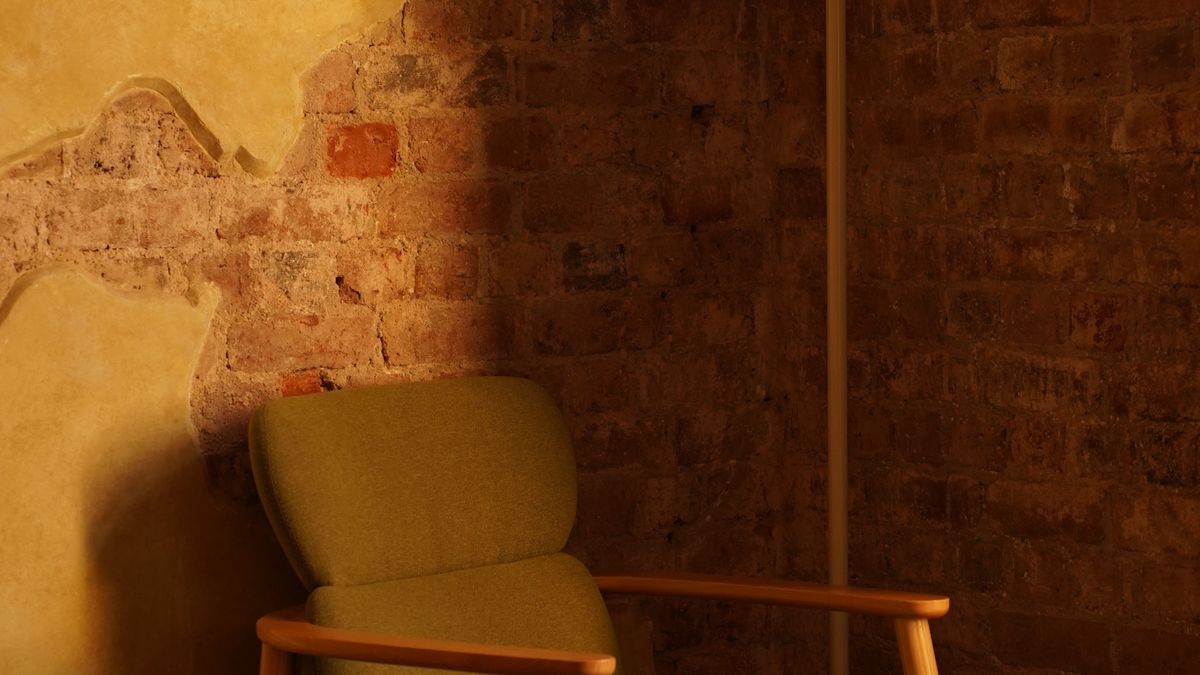
A reading corner usually fails in a very ordinary way. You sit down, open a book, and realize the lamp is behind your elbow. There is nowhere to put a drink without getting up. Someone else comes in and turns on a brighter light because the route to the kitchen is dim. A good reading spot has a seat you can stay in, a light that reaches the page, a surface within reach, and enough low surrounding light for the room to remain easy to use. Set those things up with furniture you already have before deciding what the corner should look like.
Choose the available ten minutes
Look at where you read now. A book that is usually opened at the kitchen table tells you something about the preferred height, the nearby light, or the predictability of a hard chair. A newspaper read on the sofa may need a different arm position. A person who prefers short chapters between chores will want a spot on an ordinary route. Someone who reads late may be happier in a part of the room where their light affects fewer people. Give the arrangement a time and a likely duration. “Fifteen minutes while the tea cools” is enough to guide a plan.
Pick two places and sit in each for a few minutes at the intended time. Observe the view toward and away from the brightest light source. A chair beside a window can have pleasant daylight and an uneasy black reflection after dark. A position facing a bright kitchen may make a well-lit page feel subdued by comparison. Shift the chair slightly, or change its angle, before treating the corner itself as unusable. A space near an interior wall can be as useful as the conventional window seat if it has a better view and room for a lamp.
Make a rough mark of the chair's working footprint. Include the position of your feet, any open footrest, and the route around it. A position facing away from the main route can be peaceful as long as the rest of the household can pass nearby. Keep the passage, exit routes, and heating or ventilation equipment clear. If a floor lamp or table would overlap the route, look for a different seat angle before squeezing a base behind the chair. A place with an inviting entrance can still be hard to use if getting out of the chair requires a sideways move around the table.
Select the seat by trying to finish a chapter
A deep sofa can be a comfortable place to lean against one arm while a book rests on a cushion. The same sofa can make an upright newspaper difficult to hold. Use an actual book of the kind you read. Sit for at least ten minutes, notice whether your neck or shoulders keep changing position, and try resting your arms. Test how it feels to reach the floor or stand up. A seat whose front edge is right for one person may be too high, too deep, or too soft for another. If the corner is shared, record both positions before picking a new chair.
Try a cushion or footrest you already own and see what shifts. A cushion can reduce the effective seat depth enough to make the back useful. Moving your feet may change the position of the book and the place the lamp needs to illuminate. Sometimes switching which side of a chair the table sits on allows the elbow to rest naturally. If you prefer reading on an electronic device, see where you hold it when relaxed. A bright lamp that helps with paper can reflect off the screen, and a lower device can lead to a different reading position.
Use the surface test to avoid clutter. Without lifting your back from the chair, put down a closed book or a mug on a secured table at an ordinary height. Do it again toward the wall side. The table needs enough room for the items actually used at once, and its base and top should be stable. If the only useful surface is already filled with coasters, ornaments, and charging equipment, decide what can move before buying more furniture. A compact surface that stays empty has a greater effect on this corner than a larger one dedicated to storing things that belong elsewhere.
Put light on the page and check where the rest goes
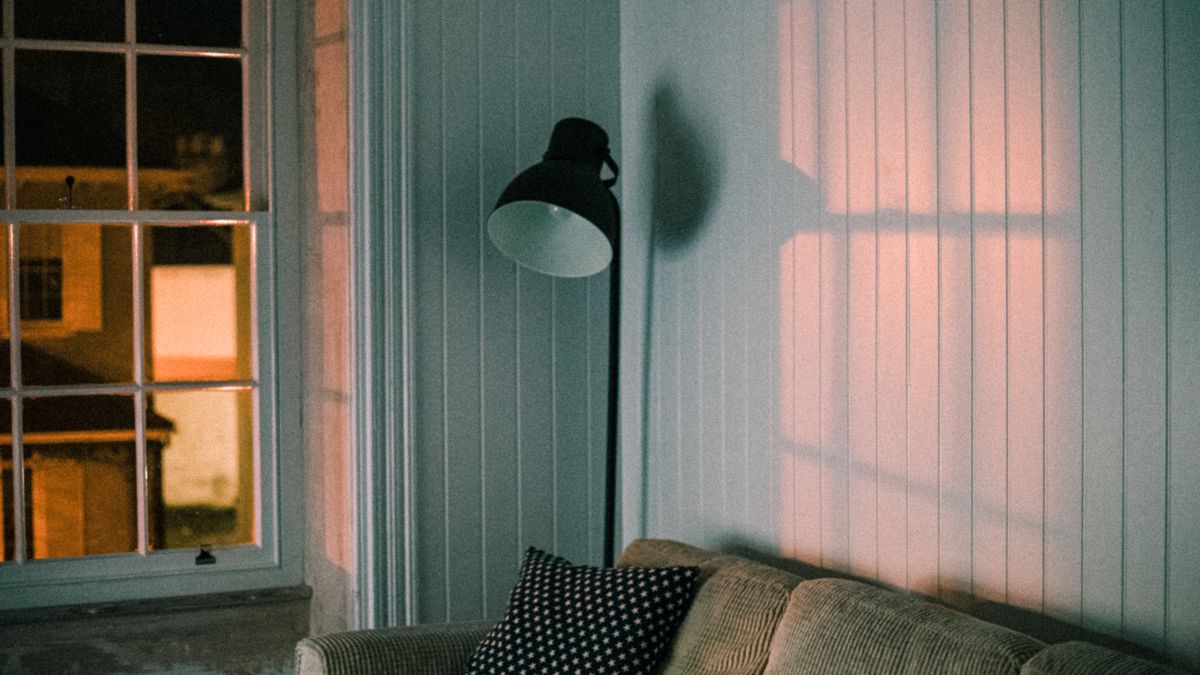
Start with a portable lamp you can place safely near the seat. Try it to one side and slightly behind the reading position. Look for light across the whole page, then move your head or turn the page. Notice when a shoulder, book cover, or hand throws a shadow. A shaded task lamp with an adjustable head can direct light fairly well, but a simpler floor lamp may work if the shade has a useful opening and the right height. Pay attention to whether a bright light source is visible from the chair, from the opposite sofa, and from a nearby route.
Take a look at the page you find most difficult to read. A paperback with small print or a glossy magazine may reveal issues an ordinary notebook does not. A reflection that stays across the middle of a shiny page can often be reduced by changing the angle or moving the lamp sideways. Turning the lamp up makes some pages brighter and some reflections more apparent. If the maker provides beam spread or direction information, use it to compare products after trying the possible position. The wattage figure alone says little about the light reaching the book from your chosen distance.
Check the switch placement now. A control on the base will only help if you can reach it with the lamp behind you. A foot control needs a clear place to stay and a safe route for the cord. Position cords away from real walking areas, avoid covering them under rugs, and choose equipment suited to the use and location. Ask a qualified electrician about any changes to fixed wiring or outlets. For a shared corner, a conventional switch may prevent an otherwise simple light from depending on a particular person's app or remote control. Try switching it off while you are seated and again as you leave.
Add one gentle surface behind the book
Once the task light works, look up from the page. In a near-dark room, an intensely lit book may feel distinct from everything around it. A soft light on a wall, shelf, or curtain can make the surrounding view easier to look at and help the corner sit comfortably inside the room. Turn on a lamp already present nearby or try a shade that lights a vertical surface. Keep the useful task beam as a separate concern. Light over a wide area can be pleasant without serving someone who needs a precise bright spot.
In a room with a television, examine glare from a real viewing seat with the screen on. A direct view of a light source is only one problem. The screen or a glass cabinet can send an image of the lamp to someone across the room. Lowering it, adjusting the aim, or choosing a shielded source can help. Remember the person arriving from the hall too. Check that they can tell where the floor and furniture edges are and use independent general lighting when needed. A comfortable reading level and an adequately illuminated walking route may require two different lights.
Give evenings with different conditions their own short trial. On an especially bright summer evening, the window may provide most of the light you need until the last few minutes. On a heavily overcast afternoon, a side lamp may already be useful. Check a little later than normal if there is a private view into the room or a reflection off window glass. Adjust the nearest shade, curtain, or lamp a small amount and see if the arrangement continues to make sense. A reading spot that needs a complete rearrangement every winter can cost more effort than its shape suggests.
Compare an ordinary version with a permanent one
Leave your temporary arrangement in place for several days if it is safe to do so. Watch where the table ends up after two people use it and whether the book stays in the corner. A seat that becomes a place to drop clothes may need its purpose underscored by moving other storage. A lamp that gets switched on for many tasks may be a good investment. Before buying, write down the required height range, base footprint, switching position, and where the cord can be safely routed. These details are easier to retain on a scrap of paper than to reconstruct in a shop.
Decide whether the corner should serve one person or remain inviting to others. If it will sometimes be a conversation seat, make sure the lamp does not shine straight at the visitor. If a guest will read, check whether they can find the switch without instructions. If the corner only works after a bookstand, two cushions, and the small table all move, see if one of those elements can move permanently. Preserve the easy version you built. There is little to gain by buying a more attractive version that makes the route or light worse.
Return to the chair on a night when you are tired. Notice how long it takes to sit, open a book, and read with the room the way everyone else prefers it. The changes that survive that test tend to be modest: a shade that aims correctly, a more comfortable angle, and somewhere solid for a cup. The important thing is that the corner remains workable on the exact sort of evening when an elaborate room would stay empty.