Small Spaces
Folding furniture is worth the floor space when it gets opened
Measure both states of drop-leaf tables, folding chairs, and convertible pieces, and test the work between storing and using them.
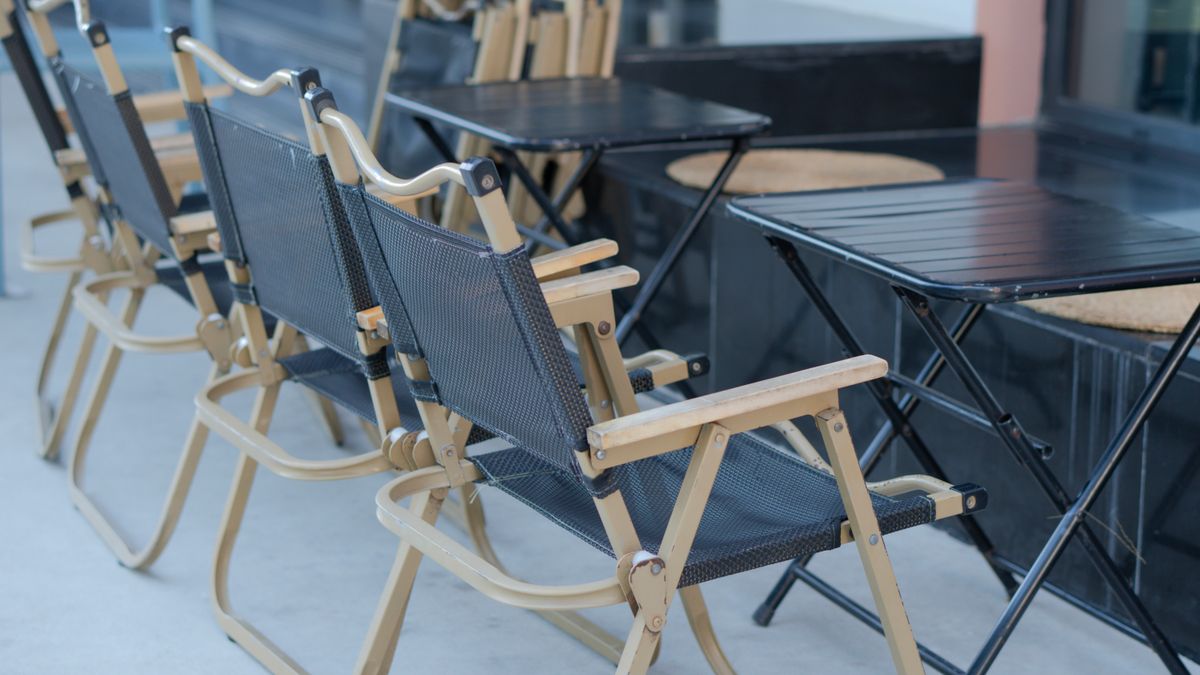
People buy folding furniture because a room needs two different shapes. The surprise is that there are really three. There is the shape in storage, the shape in use, and the awkward shape it passes through while someone lifts a leaf or pulls a bed out of a cabinet. A useful piece has room for all three. It should be easy to open in the circumstances when you want it, leave an adequate path once it is open, and have an obvious place to go when the job is over. Test the change with the other furniture already in its usual position.
Put a price on the changeover
Begin with a task you expect to repeat. Dinner for two happens most nights. Dinner for six may happen four times a year. A temporary work surface might go up for an hour every Wednesday, while visiting family use an extra bed for a week. Write down the frequency and the time of day for each task. The purpose is to see how much effort is reasonable. You might agree to bring up a folding table and four chairs for a rare meal. Doing the same thing to answer an email each morning can turn a compact idea into furniture that is never used.
Run through a pretend changeover and list what must move. If a table will fold out near a wall, can you open it around the chair that is already there? Does a favorite lamp need to move because the unfolded work surface sits where its base normally goes? Where will the laptop, charger, and papers wait when the table is folded after work? Try the temporary version with a table of similar weight and record the steps rather than judging their number from a catalog. Make sure the test objects are appropriate and stable. The benefit of a piece that disappears easily can be erased by four unrelated objects that have to disappear first.
Decide whether one person can carry out the change, since that may be the realistic case on many days. Check the listed weight, the grip and its location, and how much force is required during the first part of the motion. A short test in a store is more informative if you start from the stored position and finish by putting the item away. Someone with limited strength or reach may need a lighter item, a well-balanced mechanism, or a version that stays out all the time. Ask anyone who will use it to test the actual control before the choice is made.
Measure the moving outline
For a leaf table, find the widest path the leaf follows, including the space for a hand under the edge. The furniture measurements may report only the closed and open rectangles. A leg that swings out from the front can need more room than the fully opened table occupies. A closed chair might be slim edge-on yet require enough floor space to turn and lower it before the seat is locked. Put a piece of cardboard at the proposed height and slowly copy the movement. This also shows whether the model clears a radiator, a low window, or a wall plate.
Then mark the unfolded state with tape. Add a chair in its seated position and its pulled-back position. A table that unfolds almost to an opposite wall can look like a wonderful use of the full room. It may leave a guest pinned in a corner or require people to climb over one another to reach the door. Preserve clear required access and exit routes and plan for the needs of anyone using a mobility aid. Before you choose a long table, try a shorter shape with a seat at each accessible end. A smaller usable arrangement is often more comfortable than a bigger sketch.
Shelves and storage doors near the furniture may also be affected. Try opening the drawer that holds the placemats or the cabinet with work materials after the table is fully in use. If a table extends across the very cabinet needed to set it, you can move the supplies, change the opening direction, or pick another arrangement. Notice the habits that happen after setup. Someone may arrive late and want to add a chair, or someone may need to reach the window to draw a blind just as dinner starts.
Check the joint where a hand has to work
Look at the mechanism with the seller's instructions in front of you. A support leg should go into its intended position, and a designed lock should engage in a way you can verify. Keep hands clear of hinge areas and look for places where a nearby wall or curtain could interfere. A child should not be able to use part of the mechanism as a play handle. Keep within the stated limits and use the piece in the positions the manufacturer permits. A drop leaf that bears a serving plate can still be a poor seat or support for somebody getting up. The store demonstration is a useful time to see how properly opened furniture responds to ordinary use.
Check what happens at the floor as well. Small wheels may roll freely on a hard floor and catch on a rug edge. A folding table with small feet can rock on an uneven surface if its adjustment is unable to take up the difference. Ask how a floor finish can be protected without impairing any locking mechanism or stable footing. A table that slides a little while you write is a different experience from one that stays put. Metal chair feet can make a great noise right outside a bedroom. Suitable feet or pads can matter more for daily life than a more expensive finish on the face you see.
For wall-hung, tall, or heavy pieces, arrange appropriate assessment and installation. Wall beds in particular depend on the mounting surface, approved fixings, and following the maker's instructions and safety requirements. Include ceiling height, baseboard projection, and concealed services in the check and ask about conditions in a rental. A folded-up piece must be as safe as the one in use. Avoid leaning stored items where they can fall into a walkway or be pulled down. Measure the door or stair on the path to the room, too. Some pieces can only be delivered or moved safely in parts.
Give the folded piece somewhere obvious to go
A folded chair should have a slot it can reach without unloading other things. Measure the thickest part, including its hinge and feet as it will actually be stored. If you plan to stack several, measure or check the manufacturer's figures for the full stack rather than multiplying the shallowest dimension. Check how a hand grips the last chair. A gap beside a wardrobe can be sufficient in a drawing and still become unusable when there is no room to rotate the chair into it. A safe and reachable storage spot is part of the piece's effective size.
For occasional bed guests, add a place for bedding while the bed is closed and a clear route to the bathroom while it is open. A night light or accessible lamp switch may have to move when the room changes shape. If drawers sit beneath a daybed, check which can still open with the bedding arranged. Rehearse what happens with guests' bags. They need somewhere outside the way to the door. An open bed that nearly fills the floor is workable only when its surrounding necessities have already found a home.
Wear and repair are part of long-term storage. Inspect the surfaces that touch when the piece is folded. A rough screw head or a hard foot pressed against the same point can damage finish over time. Save any hardware diagram and ask how common parts are replaced. A loose pivot may be easy to fix with a specified replacement but hard to identify once the receipt goes missing. Do not use the item if a required lock or mounting component no longer functions correctly.
Compare it with one fixed piece that does two jobs
Try a genuine alternative before you order. A slim rectangular table can remain open all week and do double duty for work and dinner. It might occupy less space overall than a folding one whose movement demands a permanent empty rectangle. Two sturdy nesting tables can be easier to deploy than one large fold-out for an occasional visitor. A chair that is already useful in another room may make more sense than owning a stack in a cupboard. Keep the same measures for the comparison: the clear route at peak use, the usable work area, the amount of furniture that must move, and the reliability of the storage.
Take a photograph or write a note after each real trial. It can be as short as “two minute setup. Food cabinet opens. Legs in the way at end seat.” If opening the piece takes four trips on a good day, ask how it will feel when you are already running late. A satisfactory item often allows its setup to be abandoned halfway because the room remains usable while you fetch whatever you forgot. It should return to a safe position when the task is over, without asking the person least familiar with it to guess how.
When the folding option wins, it has done something specific. You can open it on an ordinary day, do the work without bumping into another person, and reset the room with room to spare. Those few minutes matter much more than the remarkable dimensions in its stored photograph.