Lighting
Build three lighting scenes around a normal evening
Use simple layers and controls to make dinner, clean-up, and late-night movement feel different without creating a confusing smart home setup.
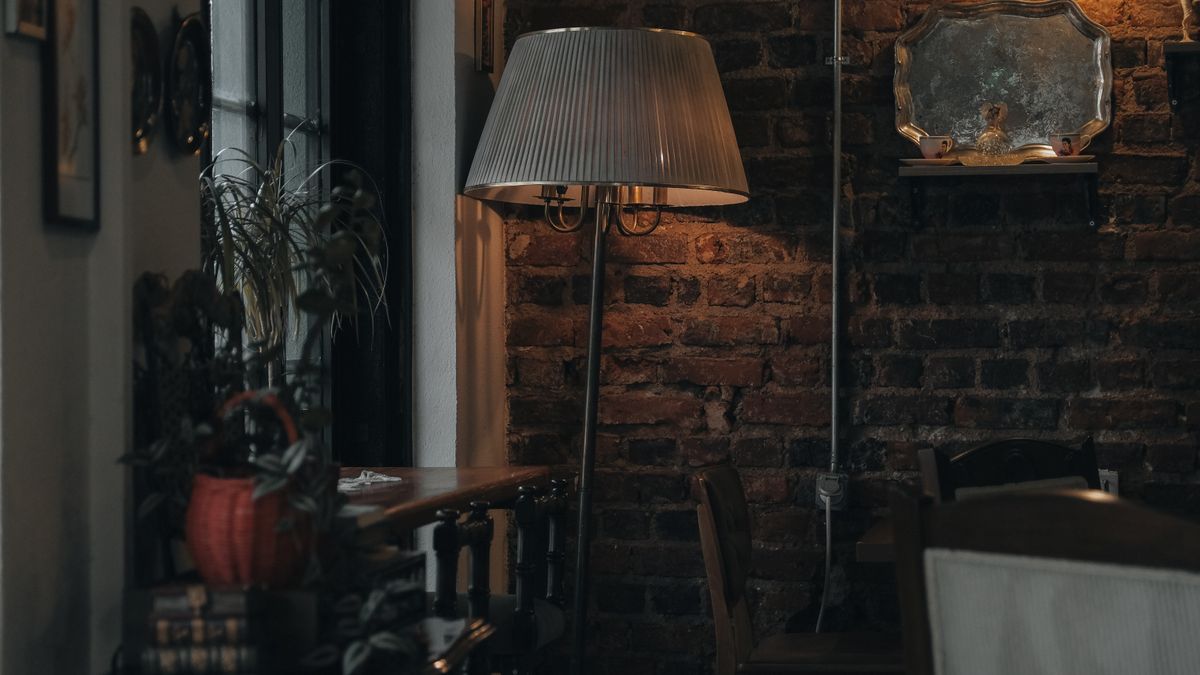
When a living room has only one switch, somebody eventually leaves it off and turns on a lamp. That is a clue about the room. The people who live there already have more than one way they want it to feel. In an open kitchen and living space, three scenes are often enough: one that puts light on work surfaces, one that makes faces and walls comfortable at dinner, and one that leaves a readable path after the conversation is over. Test these with lamps and notes for a week before buying controls. The finished system should make the combinations easy to repeat.
Start by observing the switches people already use
At the end of dinner, notice how many visits people make to a switch. Someone might turn the lights in the kitchen down, light a lamp near the sofa, and then go back to the kitchen and turn something on for dishes. Repeat that observation once on a weekday and once during a longer meal. The sequence is a kind of bare-bones lighting plan. It shows which lights need to change at roughly the same time and which need individual control. In many homes, the most useful improvement is to put one fixture on a separate control, rather than to buy a remote that can remember twenty arrangements.
Make a quick inventory. For each light you actually use, record its job, switch, bulb type, and whether it can dim. Identify where someone enters the room, where they are most likely to want a change, and what they walk past while carrying a cup or a tray. A switch near the entry that reached only the overhead fixture may still be in the best possible location. If the hardware is in a good place, see whether the control scheme can keep it there. Finding a switch by memory is much less demanding than looking for a phone in the dark.
Before creating a scene, settle any basic lighting problem you find. A recessed light set directly above the person chopping can send their own shadow across the cutting board. Turning that fixture up may make the room brighter while the cutting surface stays unimproved. A floor lamp can produce a strong reflection on a television. Again, a lower setting may help, but moving it sideways often does more. Diagnose these faults with temporary light sources and changes in position before buying dimmers. A scene only coordinates lights. It cannot repair where their light lands.
Give the work scene a clear start and finish
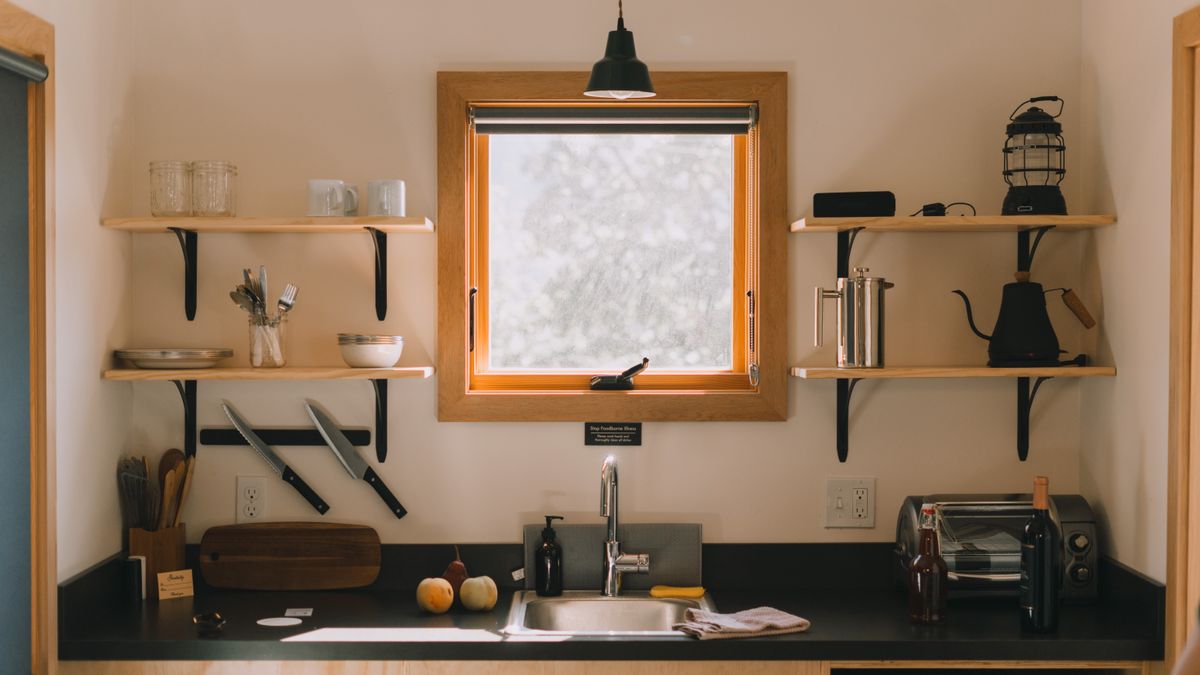
Think of the busiest quarter hour in a cooking or serving zone. The light should let you distinguish food on a board, read settings on an appliance, and see an obstacle before you step around it. Under-cabinet lighting can put useful illumination ahead of your body when the main overhead fixtures are behind it. A fixture over a sink should light what is in the sink while leaving the counter visible beside it. A lamp in a dry living area may still belong in the scene if people work on homework at the dining table while dinner is being made.
Turn the scene on from the entrance and walk to the worktop before adjusting anything. Record how much of the kitchen can already be seen using the task lights alone. An overhead fixture can sometimes sit at a lower level than expected because the counter lights are doing the important work. Ask the person who cooks most often about reflections. Polished stone can show bright points from an exposed strip. A visible light source may also irritate someone sitting across the kitchen. A quality diffuser or a concealed position may be worth more than a high output rating.
Consider a second setting within the work scene only if a regular activity truly demands it. A baking project can want more even light than someone filling a glass, yet it can probably be handled by the same physical controls. Write the normal setting first. If a participant in the test repeatedly makes the same adjustment to accommodate a specific task, note it as a candidate for another control. Resist treating every exception as an invitation to make a new named preset.
Make dinner lighting about people and surfaces
At the table, sit where guests usually face. A bright bulb that is comfortable when you stand can be visible as soon as you lower your eyes. Check the actual height of the shade and whether there is a bare view of the source. If the main fixture is overhead, try pairing a lower level at the table with illumination on a wall or furniture behind it. A room that is dim everywhere except the table can feel unusually stark. A modest source on the edge gives the eye something else to see. A lamp on a sideboard or a light visible through an adjacent opening can do this without drawing attention.
Pick levels by eye from seats around the room. Treat values such as 35 percent as addresses on a control, because fixture output often does not track that percentage in an obvious way. One LED may stay fairly bright at a low setting while another goes noticeably warmer or barely lights. Check the floor where people walk when their eyes have adjusted, then have someone enter from a brighter room. A good dinner scene should be generous enough for a person arriving late to find a chair and set a plate down. The light on faces matters as much as the light on the food.
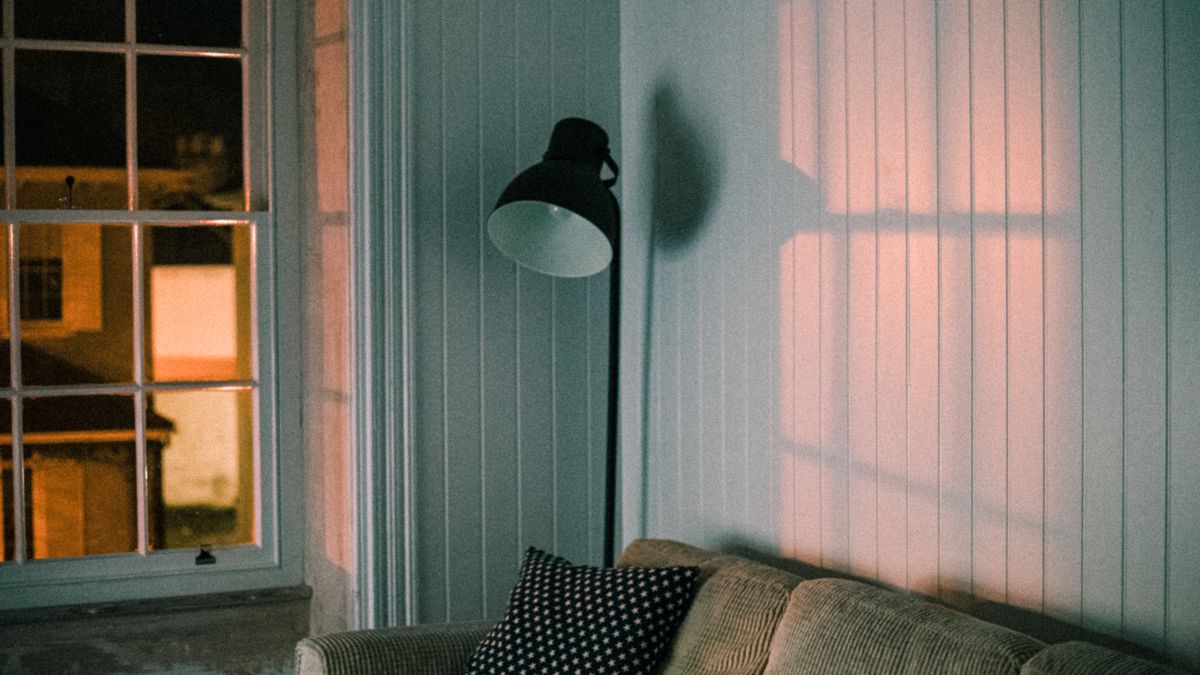
Look through the windows on a dark evening. Glass that read as a view during the day becomes more reflective after dark. It can throw a clear image of a bright bulb back at someone sitting across from it. Turning one light down can improve things immediately. Another approach is to light the wall between windows or leave a curtain partly drawn if that works with the room and privacy needs. The reflected view adds another leg of the test, especially with big windows in a recently opened-up kitchen.
Mark the late route rather than illuminating everything
Identify the shortest likely route from the sofa to the hall, the kitchen to the stairs, or the guest room to the bathroom. Include changes in floor level and corners. A light that gently makes a wall, stair edge, or doorway visible may do more for this route than an overhead fixture at minimum output. Test safely, with adequate light and attention to local requirements for stairs and exits. When someone usually needs another person's assistance at night, ask which surface they need to see first. An accent light that merely makes an attractive stripe on the wall is a poor stand-in for an obvious threshold.
If you use motion detection, consider the arrival direction and what the light does after a quiet minute. A short shutoff can feel abrupt while someone is taking a pill or looking for a glass. A long shutoff can send light under a bedroom door for an hour. Try both extremes during the testing phase and choose a delay that suits a genuine trip. Manual control should remain readily available. When you are tired or a sensor misses you, a predictable switch is reassuring. This is particularly important for visitors who have never seen the house after dark.
Buy only the controls the test calls for
A plug-in lamp, a compatible dimmer, and two existing wall switches may already produce the desired results. A system with grouped scenes makes sense when several lights reliably need to change together. If you choose smart controls, ask how favorites are reached when a visitor has no app, what happens if Wi-Fi is briefly unavailable, and how a fixture behaves after a power outage. Note which lights need to be on a matching platform and which can remain ordinary. An electrician can check compatibility with the circuit, wiring, minimum loads, control locations, and manufacturer guidance before devices are installed. Some LED drivers and dimmers react poorly in pairs, with flicker, noise, or a frustrating jump as a light turns on.
Keep a note with the scene names, the fixtures in each, and the simplest way to activate them. Use labels that correspond to an action, such as Cook, Dinner, and Night. A guest can usually interpret those without explanation. Put this information on an ordinary card during the trial. If it takes four lines to describe the difference between two presets, consider removing one. Test every arrangement again after the controls are installed, including a manually selected bright setting for cleaning.
Test a power interruption with the installer or in a way supported by the system. The light that returns after power is restored may follow a default rather than the last scene. A group that automatically returns at maximum brightness can be troublesome at night in a room occupied by sleeping people. Include this behavior in the setup notes where it can be changed, and make sure somebody can identify where the physical normal-light control is.
There is a good final measurement that needs no special equipment. Ask someone to turn the room from dinner to clean-up while you are doing something else. If they find the right control, can see the counter, and leave the rest of the room comfortable, the setup has done its job. Add complexity only when a familiar moment calls for it. The best evening scene tends to disappear into the evening.