Small Spaces
Make a rental feel settled with changes you can take along
Choose lighting, rugs, storage, and reversible finishes that improve a rental while keeping permission, move-out, and substrate risks in view.
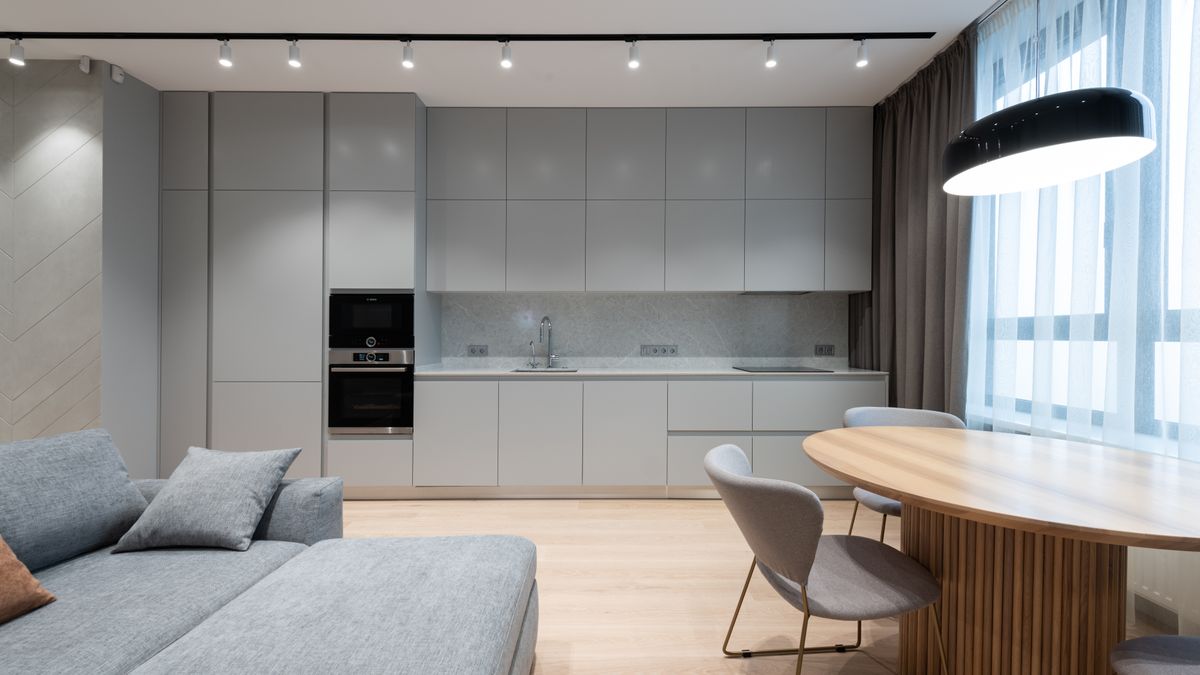
A rental can look temporary long after the last moving box is gone. There is the light that everybody avoids switching on, a kitchen corner where devices collect, and a wall that remains blank because hanging anything seems like a future conversation with the property manager. The useful starting point is to choose one recurring irritation and improve it with an object that can follow you to another home. After that, consider written permission for changes that rely on somebody else's walls, floors, or fittings. A reversible plan saves money only when the reversal is practical, permitted, and unlikely to damage the room.
Learn where the apartment makes you change your habits
Spend a few days noticing which space makes you improvise. If the front room is too dark to read in winter, the seating may have moved into a bedroom without anyone deciding to move it. A kitchen counter can gradually become the only place to charge, sort, and prepare food. Pick a single issue with a visible impact. “A place for a bag and shoes just inside the door” is specific enough to test. “Make the entry nicer” can lead to shopping for details while the bag remains in a doorway.
Read the relevant parts of the lease and check building rules before choosing products. In some places the question is whether you may attach something at all. In others the question is how it must be removed and what repair is expected. Ask for permission in writing if you may repaint, replace a shade, attach a bookshelf restraint, or apply film. Describe the precise location and materials. Good photographs and measurements can reduce the need for a long conversation about an unspecified modification. Keep original parts with their screws and labels if the owner authorizes a swap and asks you to restore them.
At move-in or before a change, document the existing conditions in good light. Photograph stains, holes, damaged paint, and preexisting marks with enough surrounding context to identify them later. Save the date and any agreed condition record. Take a wide photograph again before packing at the end of the lease. This is boring work with a clear return. If the room has old paint or a delicate finish, avoid disturbing it until you know what the surface is and what the owner's safe process requires. An inexpensive adhesive hook can open up an expensive repair.
Put a lamp where the light is needed
A good floor lamp can make a rental feel like a different room without touching a wall. Look for a stable base, a switch you can reach from the seat, and a shade that puts light on whatever you do there. Try the shade below your seated eye line if a bright bulb is visible. A second lamp throwing light onto a wall can make the room feel more even and give your eye something to look at beyond the bright task surface. By moving just one lamp from another room and living with it for an evening, you can learn where the socket and cable actually need to be.
An unused corner is a poor place to put a lamp merely because a socket happens to be there. Check the route of the cable and keep it out of walking areas, away from water, and uncovered by rugs. Use equipment suitable for its location and follow its ratings and instructions. A rechargeable portable lamp can be useful for a small reading seat when there is no nearby outlet, provided its brightness and charging habits fit the job. An entire room lit by easily exhausted batteries will become annoying quickly. Make one location work dependably before adding more.
Then check inherited bulbs. If the kitchen and dining nook are visible together, a consistent tone may be preferable to a mix of unusually cool and warm light. Whatever bulbs you choose must be suitable for the existing fixtures and controls. Keep and label any working bulbs you are expected to leave behind. With the manager's approval, a better shade or lamp can be an inexpensive investment. A new hardwired item raises a different set of questions and should be handled through the owner and a qualified professional.
Buy a rug for the walking path first
A rug can visually gather seating into a room, but its measurements are easiest to settle by following the route through it. Measure the sofas, chairs, coffee table, opened door, and the clear space to the next room. Tape an outline and try walking through as usual. A tiny rug centered under the coffee table may make every trip cross two edges. A deeper rug under the front legs of the sofa can leave just one obvious boundary. Look at door clearance if a rug will go near an entry. The backing and pad matter as much as thickness when a door sweeps over it.
Ask about compatibility between the underside of a rug, its pad, and the floor. Some pads, backings, or adhesives can stain or mark certain finishes. A rental manager or flooring maker may be able to identify what the floor can tolerate. Inspect occasionally underneath a new rug before leaving it unmoved for a year. Choose a size that can be handled and cleaned where you live. The largest visually suitable size may be impractical when the elevator is small or the only cleaning place is down several flights of stairs.
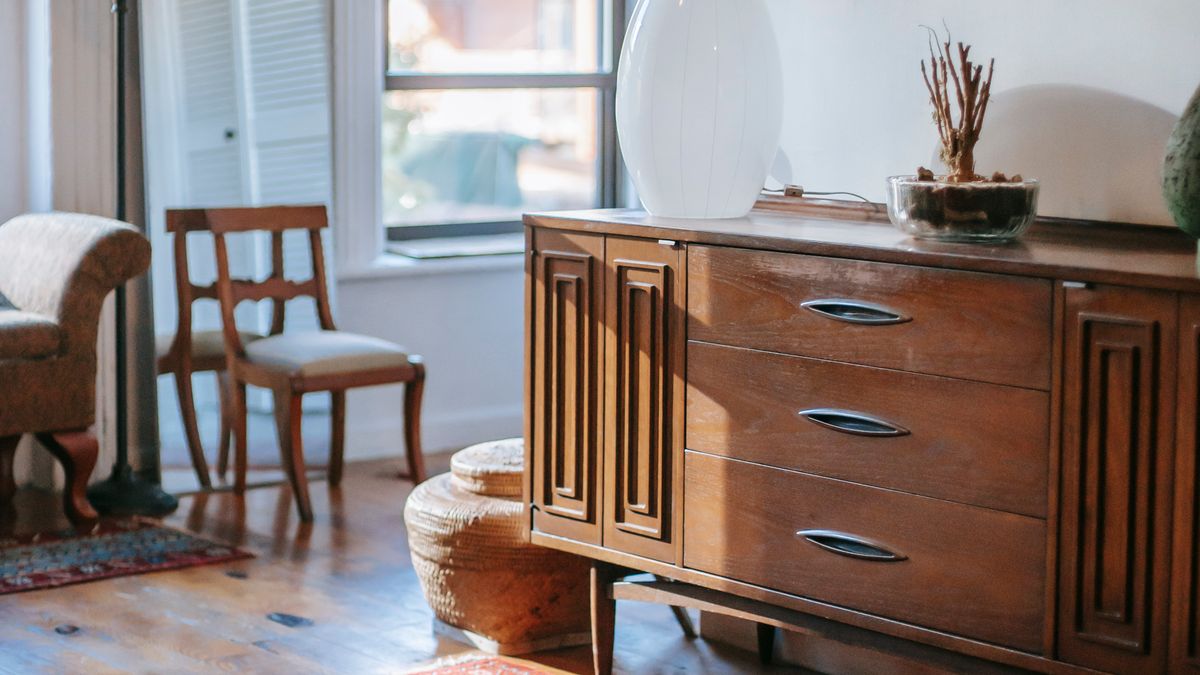
In an open room, use a second layer that can move with you. A woven basket for throws or a slim lamp gives a sitting zone enough definition without putting another full-sized rug in the dining area. Keep common walking routes and exits clear, and make sure rug edges lie flat enough for the people using the room. Mobility aids, pets, and small children can change what the floor needs to feel reliable. A beautiful runner that slides on the first evening has failed its trial.
Keep portable storage close to the source of the mess
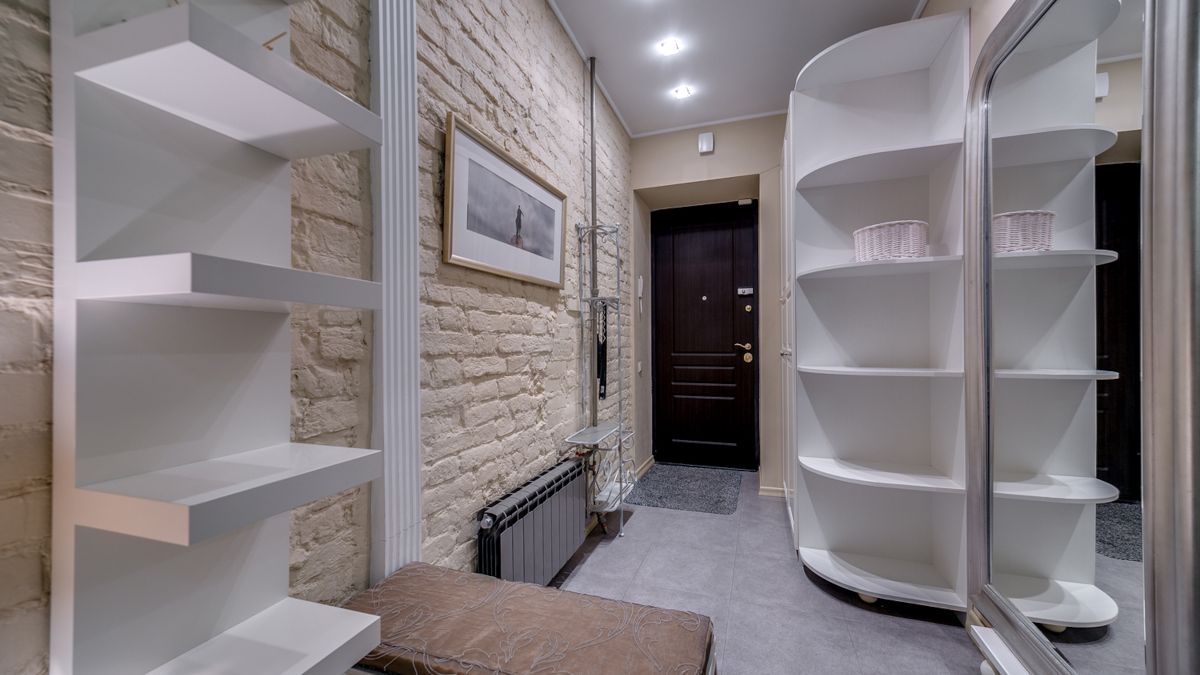
List what ends up on a surface and why it stops there. Shoes and a bag collect in an entry because the cupboard is at the other end of the apartment. A basket in the cupboard cannot change that. A shallow boot tray or solid bench with one place for a bag might. Start with a low, sturdy object sized to what really accumulates. Use a box as a stand-in and let it occupy the proposed spot for a week. If it fills with other things instead of receiving the intended objects, ask where the real route goes.
When storage is tall, follow the manufacturer's anchoring requirements and obtain consent for any fixing. Furniture that needs anchoring should not be left unsecured, especially around children. A robust, low piece may suit a spot where safe fixing is unavailable, provided it is suitable as used. Never block radiators, ventilators, building equipment, or required routes. Freestanding furniture can also carry a small change into a later home much better than specialized units fitted precisely to the current wall. Sketch the current purpose and one plausible future use before buying a piece you must someday carry down the stairs.
Open storage works when one item can be put away with one movement. If car keys belong inside a zipped pouch inside a box behind a door, they will probably return to the counter. Put a tray within easy reach while leaving the surrounding area empty. Move infrequently used belongings out of the easiest positions. The room gets easier to look after when the first item can be put down in the correct place as soon as a person enters.
Be skeptical of anything sold as damage-free
Read the complete installation and removal instructions for any peel-and-stick product. Check whether it is suitable for the existing paint, finish, temperature, and moisture conditions. A room with paints of uncertain age can have less predictable adhesion than a new sample panel. If the owner consents, test an inconspicuous area and allow enough time to try the removal procedure. A successful test lowers uncertainty. It cannot guarantee that a much larger area will behave identically after a summer of heat or a year of exposure.
Keep alternatives in mind when the change depends on sticky contact with a valuable finish. Fabric on an existing rail, art propped securely in a permissible location, or an attractive large tray over part of a scratched counter can make a visible difference without an applied film. If you have permission to paint, record the agreed color and whether restoration is required. Find the promised original color while the agreement is fresh. Do not count on an unmarked can in a shared closet to be identifiable at move-out.
Make a short inventory at the end of the project: what travels, what stays with permission, and what must go back. Put any original screws and plates together, and save screenshots of instructions for products you will need to remove. This arrives at a useful definition of a settled rental. You have decent light where you read, a place to park what you carry, and a room that works for the people using it. The things that improved it still have somewhere to go when you leave.