Materials
Matte Cabinet Fronts That Look Good During Dinner Prep
Test several low-sheen cabinet finishes for marks, color and cleanability before buying a whole kitchen.
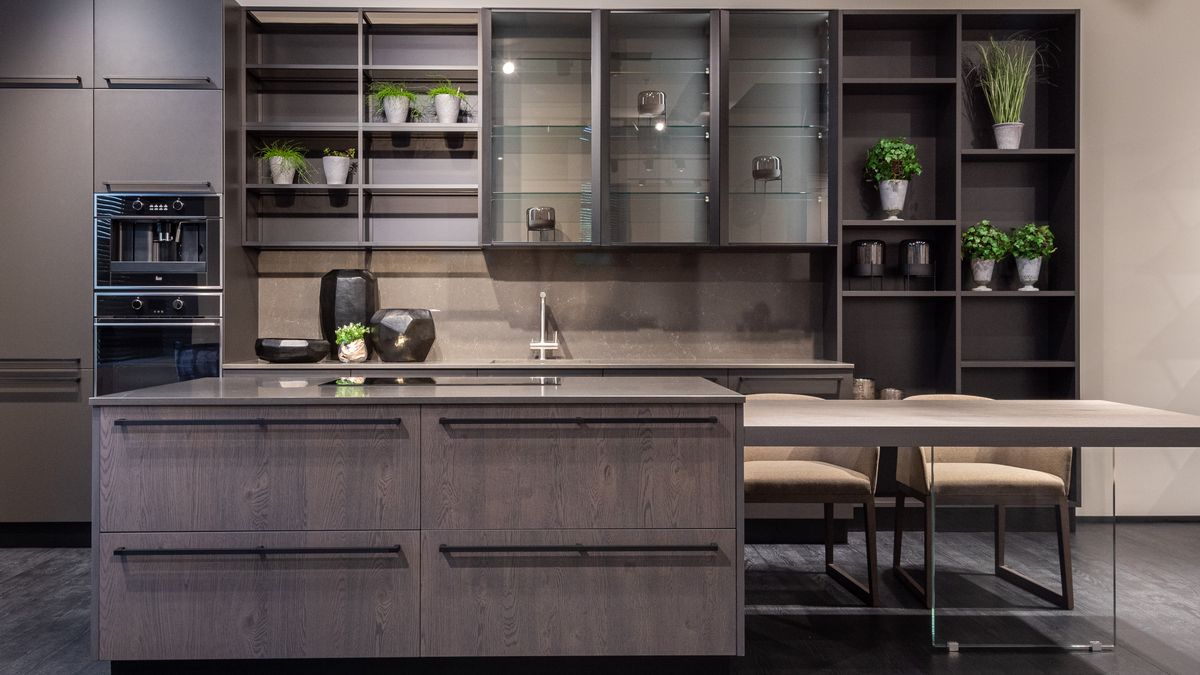
A matte cabinet door is most convincing in the shop before anyone has used it. Light falls across it evenly. There is no oil next to the pull, no wet streak down the drawer below the sink and no sunlight striking it at a particularly awkward hour. The door you take home will get all three. This is a reason to try a sample, come back after a few days and see how it actually handles a kitchen.
Matte describes the surface's visual response to light. It does not identify a single material or a care method. A lacquered door, a wood face with a muted clear coat, a printed laminate and some other factory finishes can all look matte. They vary at the edge, at the handle and where adjacent doors meet. To choose one, find out exactly what you are buying and see a piece under the light and use you expect.
Ask for a piece that resembles a finished door
A thin tag gives you an impression of tone, which is important. A finished edge tells you what happens at an outside corner and how a contrasting substrate or edging line reads. A full door also reveals whether reflected light changes over its surface. Ask for a representative removed showroom front, a completed sample or the biggest panel that the supplier is able to lend. You want the actual finish with the intended edge wherever possible.
Record the manufacturer and collection, product code, substrate and declared surface if the naming is unclear. Brand names change and terms such as soft touch may describe the experience without saying how it is made. Include whether the same finish appears on exposed side panels, fillers and trim. An island can look darker on its end because of light direction, but its end can also be made from a genuinely different sheet or finishing process. Ask to see the meeting of the two.
Bring hardware into the sample. A small raised pull puts most fingertips on metal. A recessed groove gets direct contact in the same place every day. Push latches can put hands at a predictable point on the face while reducing projection toward a path. Which behavior is easier depends on the pressure needed, the room and the household. Work a sample drawer several times after washing your hands. The best layout lets most of your household open it comfortably.
Take the kitchen's brightest hour seriously
Move the panel into its intended orientation. Lay the countertop sample flat and place the door below it. Turn on a task light if one already exists, or ask whether you can see the intended fixture with the sample. A vertical face looks darker than a horizontal surface in many rooms. A window can make one aisle significantly brighter than another. The difference is expected and can be pleasing. You want a choice you like everywhere people see it.
At the brightest time of day, stand in each path past the cabinet. Look for a streak or hand mark near the pull and see whether it is still visible from across the room. Deep colors can carry a pale-looking trace from grease or dust. Pale surfaces can show dark scuffing, particularly near the floor where shoes or the vacuum pass. A faintly textured finish can break up some marks, but may change cleaning or hide dirt only from certain angles. Inspect by eye and touch.
Put a second candidate next to the first with both in the same orientation. Morning light may make one read redder or greener than the other. After dark, light reflected from the floor or an adjacent wall may make one unexpectedly yellow. Hold any existing hardware or flooring sample nearby. If one sample seems easier to use next to your permanent surfaces, that advantage usually means more than which color you chose in a picture.
Make a reasonable cleaning trial
Start with the supplier's written instructions and get permission to try substances on a dedicated sample. Follow instructions about cleaning products and methods, avoiding abrasives or solvents unless explicitly allowed. A supplier may have suggestions for a normal finger mark and instructions for a stubborn mark. Ask what counts as normal care under the warranty. If the material requires a distinctive cloth or cleaning step, think about how that will fit into a daily reset.
Handle the sample as you use cabinets. Open and close the door with clean hands, then see what happens after normal food preparation. If you test the finish with a small cooking oil mark, follow the care instructions and wipe it as recommended. Observe whether it cleans easily and whether the clean patch looks different after drying. Testing a soft spot indoors beats finding the issue next to a sink. Do the test only on a sample you're allowed to mark.
Repeated rubbing can make a low-sheen area appear burnished, depending on construction and finish. Ask to see an older installation or display where hands regularly land. Compare the dry finish next to a handle and much farther from it. A display might have been cleaned more or less often than your cabinet will be. Use it to recognize possible patterns rather than deciding that a shop door predicts every home.
Think about edge damage and future work
A low-sheen paint may be possible to touch up, but color and gloss matching determine whether the patch is visible. A factory-finished panel might require a new front if the damage is substantial. Ask what repair the manufacturer or cabinet shop can support, how long parts typically remain available and what to keep when the project closes. Save the finish code and an example out of the light. Expect new pieces to need matching against adjacent faces after years of use.
A cabinet near the dishwasher or sink needs a stable design with sensible exposure to water. Read care and installation guidance on edges, steam and cleaning. Ask how the fitter addresses vulnerable points near integrated equipment. A floor-level cabinet next to the entry has a different risk profile from a glass-front upper cabinet that gets opened twice a year. One door finish can suit the whole room, yet some households can use a tougher detail at the spot that always gets bumped.
Look at how the cabinet is drilled and fitted. If a particular pull makes marks easier to avoid, check that the front can take it and that installation will be accurate. A thin top drawer with a long central pull may feel easier to use than small knobs at its ends. Consider how the hardware catches light. A highly reflective handle has greater visual contrast on a matte face than it does on a glossy one. Test the profile while carrying a dish or basket through the aisle.
Compare painted, textured and veneered choices where it matters
A painted door offers a wide range of exact color targets. The result depends in part on preparation, coating and workshop consistency. A printed or textured surface can give a controlled appearance across multiple panels, though the edge and the repeated visual pattern deserve a close look. A natural veneer adds genuine grain variation. Check grain size at the scale of the whole run so it produces the rhythm you wanted. Put the pattern and the practical test ahead of what the finishes are called.
Where a quotation offers a material upgrade, ask which parts receive that upgrade. It may apply to exposed fronts only, with different cabinets and fillers behind them. That division can be sensible. If premium door material comes with a visibly incompatible edge panel, request one sample with both side by side. Put a realistic alternative in the budget instead of assuming the sample reflects the price of every exposed surface.
You can mix two finishes with a reason. Make the perimeter easier to maintain and let a decorative face on a lower-contact elevation deliver variation. One muted finish and a veneer can play together when they share compatible undertones. Use a drawing to see how finished edges turn the corner. Layered finishes create more interfaces to communicate, so concentrate the change where the contrast reads intentionally.
Leave the room a clear approval decision
Try living with two approved test samples for a week. Wipe them at an ordinary hour and view each from the busiest angle. Decide which score should matter most. If you often fry food next to a wall of low drawers, cleanability near the hob may outrank a subtle improvement in morning color. A household that mostly needs recognizable handles can accept different finishes as long as there is enough visual distinction.
If you expect small hands or pets in the kitchen, move the sample down to the bottom of the bank while you inspect it. Daylight reflected from the floor can show marks at kickboard height that were invisible at the showroom counter. A slightly deeper plinth or a durable edge detail can change where contact happens. Ask how the selected front and plinth will meet and whether they receive the same care treatment.
Document the selected face and exact care method with the plan. Include direction and edge treatment, handle finish and the areas where the main material changes. If the supplier promises a particular set of spare parts or a matching panel for later works, put it in writing. Your design can stay visually quiet because the decisions underneath it are specific. The kitchen will still get steam and finger marks. Aim for a finish you can keep using through them.